

In one of the stranger intersections of cybercrime, geopolitics, and working remotely during a pandemic, Christina Chapman, an Arizona and Minnesota woman, was recently sentenced to more than eight years in prison related to assisting a North Korean remote-work scheme that siphoned millions of dollars to the country to fund its nuclear weapons program.
The plot started in March 2020, when Chapman was messaged on LinkedIn to be the U.S. representative of a firm that wanted remote IT jobs to be performed by international employees. What many of the Fortune 500 companies involved, including Nike and a leading tech firm in Silicon Valley, did not know is that the workers Chapman helped recruit were not U.S. citizens but North Koreans working under stolen identities.
Chapman facilitated what federal investigators described as “laptop farms,” using 90 laptops to maintain fake digital personas and provide the North Korean operatives remote access to U.S. companies. She did not just host and operate these machines but also dealt with forged I-9 employment documents, cashed paychecks, and wired funds overseas. The complex fraud produced more than 17 million dollars and led to the theft of 68 identities, leaving real victims in the form of unsuspecting Americans who ended up with tax liabilities.
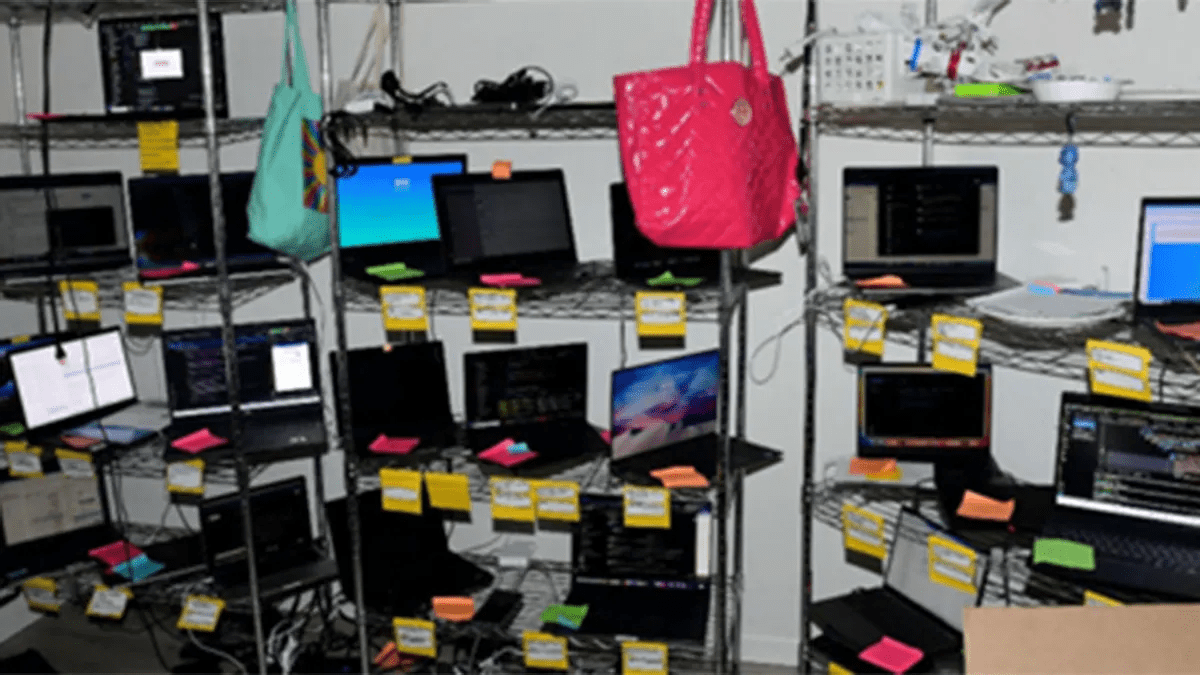
Chapman proceeded with the operation despite being aware of the risks, and even in messages, she felt that falsifying federal documents would put her in prison. Their operation was discovered in late 2023, when a federal raid revealed it, and she pleaded guilty in 2024 to wire fraud, identity theft, and money laundering.
Analysts are sounding the alarm to say that the case indicates greater weaknesses in the era of remote work. Benjamin Racenberg of cybersecurity firm Nisos said employment fraudsters discovered they can fool hiring systems. Impersonation and duplicated resumes are only a few of the red flags companies now need to be on the lookout for that are being driven by AI.
Although Chapman was caught and ended up in jail, authorities are convinced that she is not the only one who has been working on such North Korean plans. To avoid future exploitation, cybersecurity specialists emphasize the importance of face-to-face identity verification, more thorough vetting, and hybrid working models.


