

Jakarta is now the most populous city on Earth, overtaking Tokyo for the first time, according to a major United Nations assessment that uses updated criteria to better reflect how today’s megacities actually function.
The UN Department of Economic and Social Affairs released its World Urbanisation Prospects 2025 report this month, estimating that Indonesia’s capital is home to 42 million people. Dhaka follows with 37 million, while Tokyo drops to third place at 33 million when measured as a broader megalopolis spanning its neighboring prefectures.
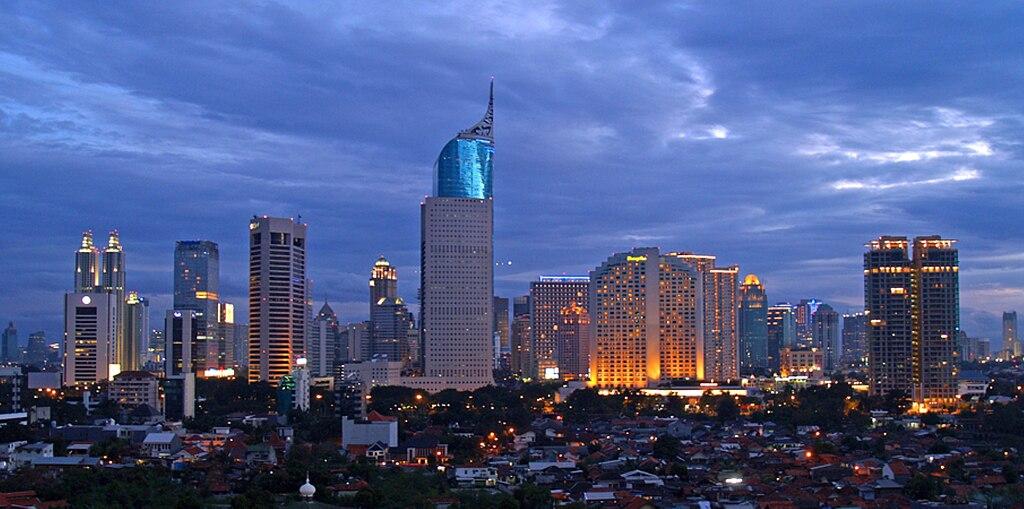
The skyline of Jakarta
The shift is largely due to a revised methodology. Patrick Gerland, head of the UN population estimates and projections section, said earlier global rankings relied on country-specific definitions that varied widely, often favoring Tokyo. The new criteria categorize cities, towns, and rural areas using consistent geospatial and population thresholds across all regions.
Urban growth has reshaped the planet since 1950. At the time, just 20 percent of the world’s 2.5 billion people lived in cities. Today, nearly half of the global population of 8.2 billion resides in urban areas. By 2050, two-thirds of population growth is projected to occur in cities, with the remaining third concentrated in towns.
The number of megacities with populations above 10 million has risen dramatically, from eight in 1975 to 33 today. Nine of the world’s ten largest urban centers are now in Asia, including Jakarta, Dhaka, Tokyo, New Delhi, Shanghai, Guangzhou, Cairo, Manila, Kolkata, and Seoul.
Li Junhua, the UN undersecretary-general for economic and social affairs, described urbanisation as one of the defining forces shaping the century, emphasizing its potential to enable climate planning, economic expansion, and social progress when managed effectively.
Tokyo’s drop in the rankings reflects how the surrounding region has begun to shrink, in line with Japan’s broader demographic decline. Yet Tokyo proper tells a different story. The population of its 23 wards and 26 surrounding cities has grown to just over 14 million, up from 13.2 million a decade ago. Internal migration slowed during the pandemic but has rebounded as young people return to the capital for jobs and education.
The UN’s updated framework shows that Tokyo remained the world’s most populous urban area until around 2010, when Jakarta first moved ahead. Today’s ranking confirms the scale and pace of Southeast Asia’s urban transformation – and signals how global population centers are shifting in real time.


