

Image Courtesy: Hypersonix
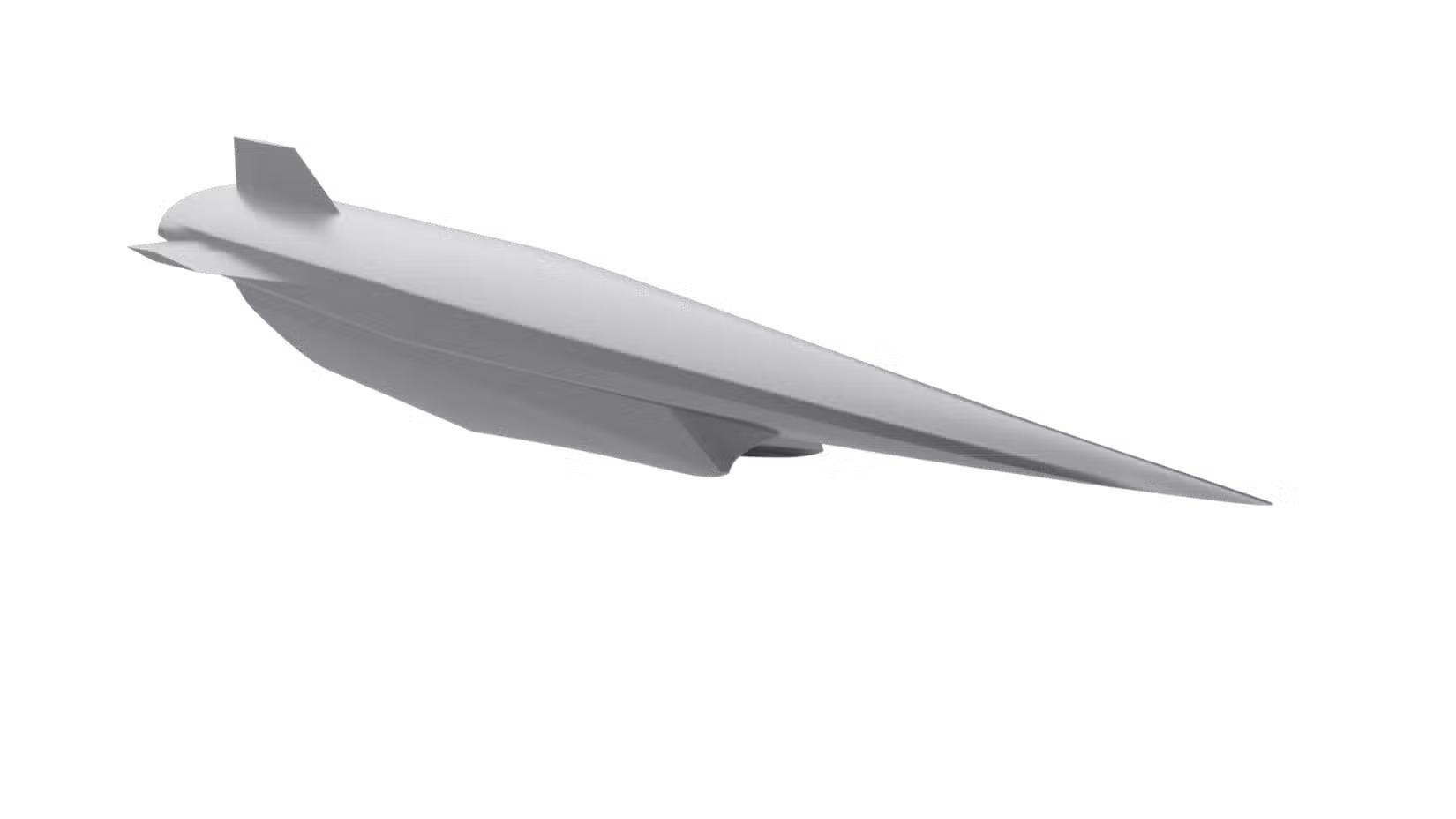
An Australian aerospace company is developing a hydrogen-powered hypersonic aircraft that could eventually push air-breathing flight speeds toward Mach 12, or roughly 12 times the speed of sound. The project, led by Hypersonix Launch Systems, centers around an experimental unmanned vehicle called DART AE and a hydrogen-fueled scramjet engine known as SPARTAN.
The aircraft itself is not designed for passenger transport. Instead, it serves as a high-speed testing platform intended to gather real-world data about hypersonic flight, including combustion stability, heat management, aerodynamics, and engine behavior at extreme speeds, according to Simple Flying.
The key technology behind the system is the scramjet engine. Unlike conventional jet engines, scramjets have no moving compressors or fans. They rely entirely on the vehicle’s forward speed to compress incoming air before fuel is injected and ignited while airflow remains supersonic.
Scramjets only work at extremely high speeds, typically above Mach 5, which means the aircraft must first be accelerated by a separate rocket booster before the engine can ignite. Once operating, the scramjet uses atmospheric oxygen rather than carrying onboard oxidizer like a traditional rocket.
Hydrogen plays a major role because of how quickly it ignites and mixes with air under hypersonic conditions. It also helps cool engine components before combustion, which is important because temperatures rise dramatically at such speeds.
The DART AE demonstrator is relatively small, measuring about three meters long and weighing around 300 kilograms. Current public specifications suggest it is expected to reach speeds closer to Mach 7 during testing rather than the often-mentioned Mach 12 figure.
The higher Mach 12 claim refers more to the theoretical capability of the SPARTAN engine concept rather than the current demonstrator aircraft itself. Researchers caution that sustained controlled flight at Mach 12 would require an entirely different level of engineering complexity.
Hypersonic flight remains one of aerospace engineering’s most difficult challenges. At those speeds, air friction generates intense heat, materials experience extreme stress, and even minor aerodynamic changes can destabilize the aircraft. Previous experimental scramjet programs, including NASA’s X-43A, briefly achieved speeds near Mach 10, but only for short durations.
Hypersonix is working with companies including Rocket Lab and Kratos Defense & Security Solutions on testing and booster systems. Upcoming flights are expected to launch from facilities connected to NASA’s Wallops Flight Facility in the United States.
The company is also emphasizing the use of “green hydrogen” as part of the project, positioning the technology as both a defense-related hypersonic platform and a cleaner propulsion experiment.
For now, the biggest milestone is not necessarily reaching Mach 12, but proving that repeatable, controlled hypersonic flight using hydrogen-powered scramjets can work reliably outside laboratory conditions.


