

In a move reminiscent of Ronald Reagan’s “Star Wars” program, the Trump administration’s Golden Dome missile defense initiative has ignited a modern-day arms race among U.S. defense contractors. The ambitious plan aims to create a space-based missile shield capable of intercepting hostile projectiles before they reach American soil.
With the Pentagon opening bids for prototype space-based interceptors (SBIs), defense and aerospace companies are racing to prove they can turn science fiction into strategic reality. As Gen. Chance Saltzman, the Space Force’s top commander, described it, Golden Dome is a “system of systems”, a complex network linking satellites, sensors, and interceptors under a single command and control structure.
The Golden Dome project represents the Trump administration’s push to build a comprehensive homeland missile defense system. Like Reagan’s Strategic Defense Initiative (SDI) of the 1980s, the centerpiece of this effort is a fleet of space-based interceptors orbital weapons designed to destroy enemy missiles within minutes of launch.
While the Pentagon has not disclosed how many interceptors will be deployed, experts estimate it could require thousands of orbiting units to provide full coverage. The administration has earmarked $175 billion over the next three years, though analysts suggest the true cost could soar to between $500 billion and $3 trillion.
Despite skepticism over its price tag, few question the technical feasibility. As Apex CEO Ian Cinnamon put it, “All of the pieces that are required to make it viable exist… The key is, all those pieces need to talk to each other and actually come together.”
Among the most aggressive competitors is Apex, a Los Angeles–based startup founded just a few years ago. Known for its rapid satellite manufacturing, Apex aims to demonstrate that small, agile companies can rival legacy defense giants.
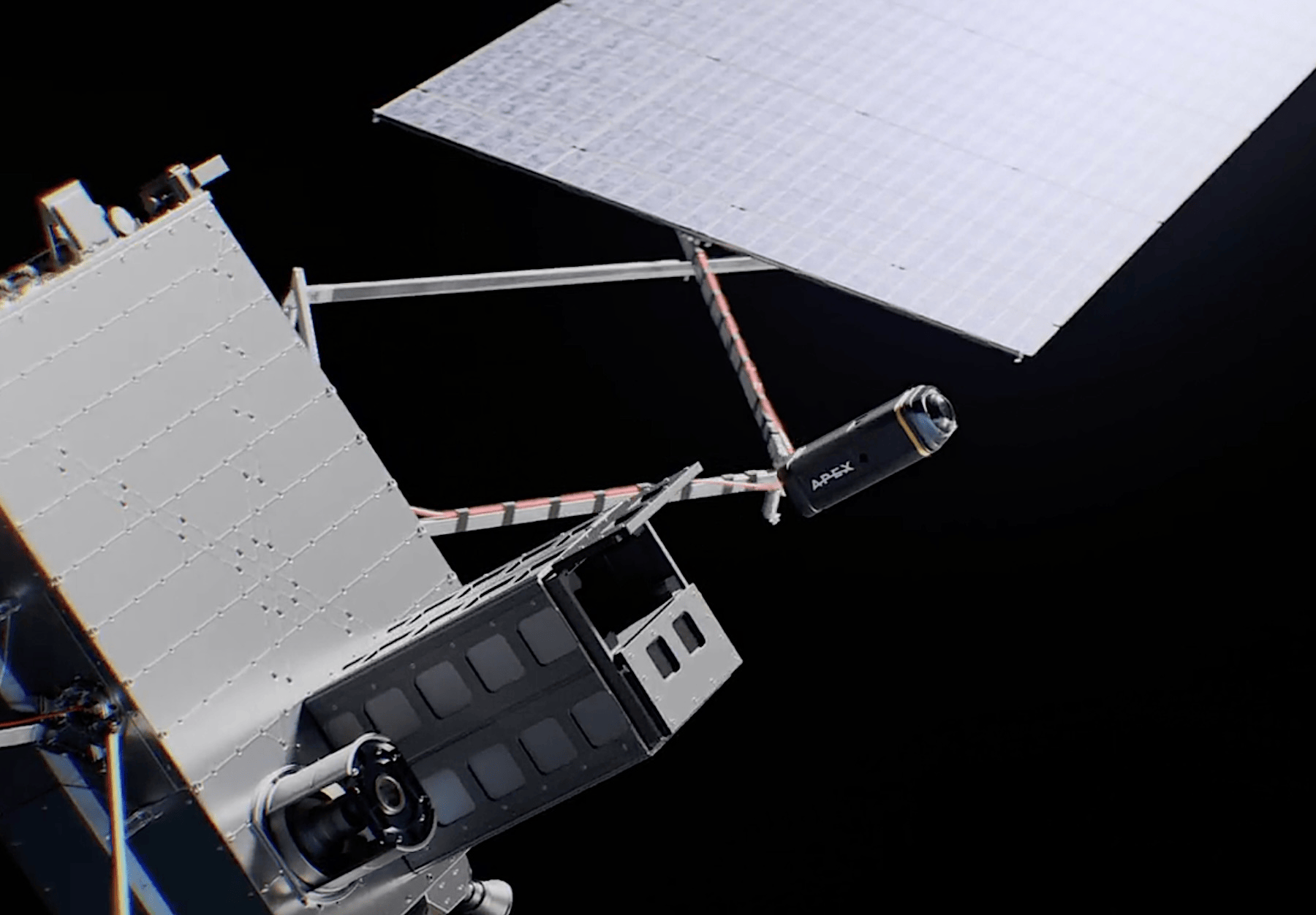
Backed by $500 million in private investment and a $46 million Space Force contract, Apex plans to launch Project Shadow in June 2026. The mission will test an “Orbital Magazine”, a satellite platform designed to deploy multiple prototype missile interceptors from orbit.
“Apex is built to move fast, and that is exactly what America and our allies need to ensure we win the New Space Race,” said Cinnamon. “We’re not waiting for handouts or contracts; we’re developing this technology on our own dime and moving incredibly fast.”
The Orbital Magazine could eventually carry 5,000 kilograms of interceptor payloads, housing multiple launch-ready units in orbit. Each interceptor will use high-thrust solid rocket motors, potentially supplied by Anduril Industries, the defense company founded by Palmer Luckey, creator of Oculus.
Cinnamon said Apex’s goal is to prove that an operational SBI constellation can be built “in the timeframe our country needs.”
The startup’s bold approach has caught attention, but industry titans like Lockheed Martin and Northrop Grumman are not standing still.
Lockheed Martin CEO James Taiclet revealed that his company has already submitted SBI proposals and plans a real orbital interceptor demonstration by 2028. “We’re building full operational prototypes — not things in labs that can be produced at scale,” Taiclet said. Lockheed is also investing in the command and control infrastructure that will tie Golden Dome’s elements together.
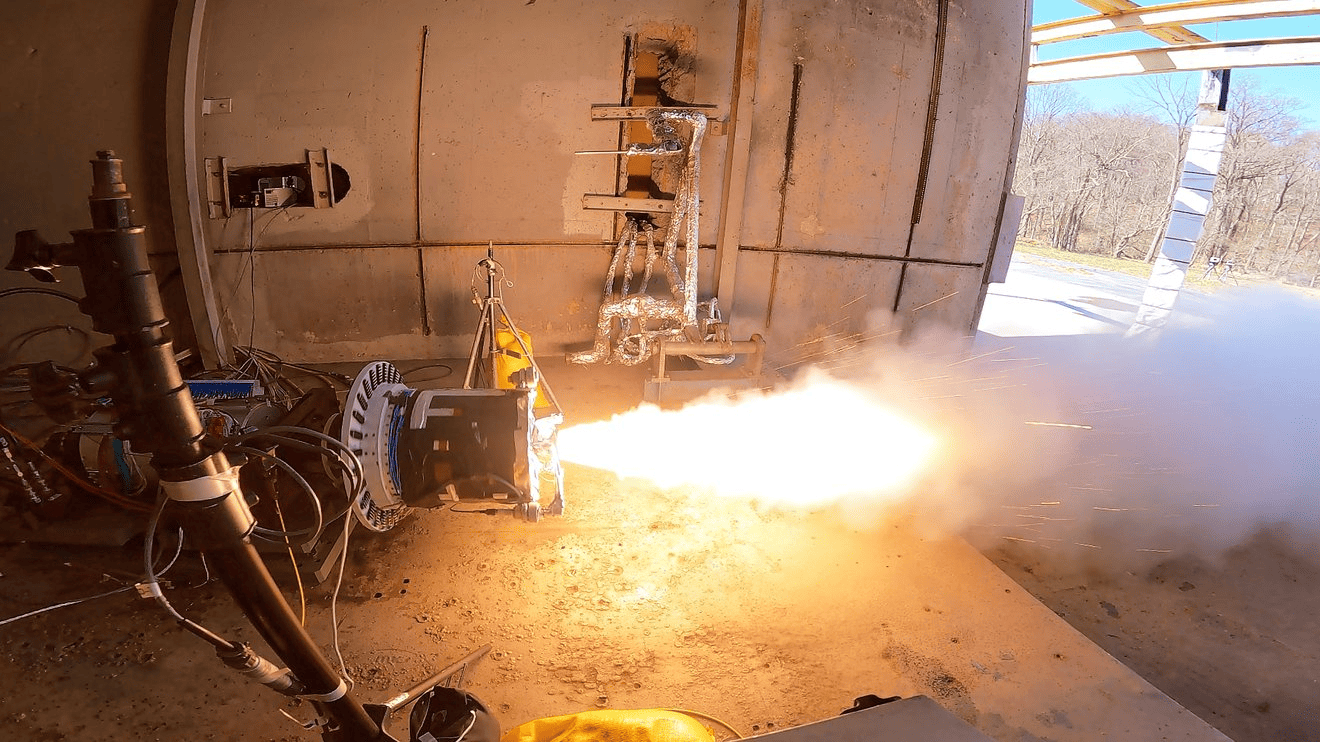
Meanwhile, Northrop Grumman is leveraging its dominance in solid rocket motor production. CEO Kathy Warden confirmed that her company is conducting ground-based tests related to space-based interceptor technology. “We are providing high-fidelity operational analysis that can help the customer understand requirements, as well as ourselves,” she said, hinting at the company’s deep involvement in defining Golden Dome’s architecture.
While the vision of an all-encompassing missile shield is bold, its execution remains unclear. The Pentagon has yet to publish a finalized blueprint for Golden Dome, and lawmakers on both sides of the aisle have expressed concern over its cost, strategic implications, and potential to destabilize global deterrence balances.
Still, the sense of urgency is undeniable. As new threats emerge including hypersonic glide vehicles and autonomous drones, the Golden Dome program is being sold as a necessary safeguard for national security.


