

In a bold leap forward for fusion research, U.S. scientists at Los Alamos National Laboratory (LANL) and Lawrence Livermore National Laboratory (LLNL) have successfully achieved fusion ignition using a novel experimental setup dubbed the Thinned Hohlraum Optimization for Radflow (THOR). Conducted at the National Ignition Facility (NIF), the experiment generated a self-sustaining “burning plasma” and yielded 2.4 megajoules of fusion energy—an achievement hailed as a critical step toward clean, limitless power.
The THOR platform is a variation of the conventional fusion hohlraum with X-ray-transparent windows inserted. This design is technically dangerous, particularly in the energy leakage and loss of symmetry of an implosion, but it also enables researchers to expose test materials to intense X-rays, which mimic extreme conditions that would not have been achieved in the laboratories prior to this design. This two-in-one invention has raised both enthusiasm and anxiety in equal measure.
LANL physicist Joseph Smidt noted the significance of the milestone to fusion energy and U.S. national security in that the results confirm the validity of some of the most important computer models employed in nuclear stockpile stewardship. The very narrow energy margins required to ignite fusion were also noted by Brian Haines of LANL, and the achievement of THOR is twice as remarkable.
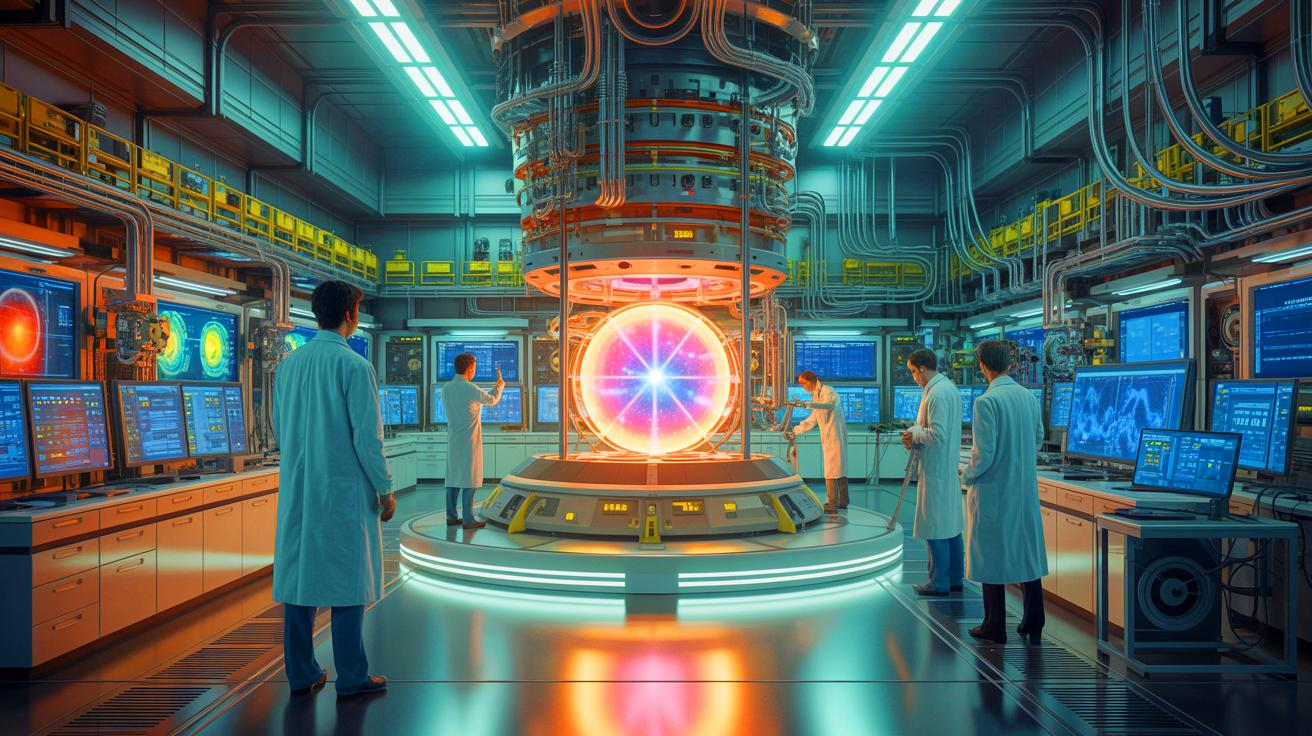
Not everyone is rejoicing, though. Opponents and energy monitors contend that the U.S. is trying to play God by pushing the limits of plasma control and cautioned that such advances would only entrench power within the fusion-capable countries and destabilize the international energy markets. This is also a threat that is perceived by traditional energy giants, with this development promising a future of decentralized energy sources with high yields and zero emissions.
Physicist Ryan Lester observed that the success of THOR shows that ignition-scale fusion can be done even when the design is altered, widening its potential uses. The second step will be the optimization of the window transparency of THOR and the incorporation of experimental packages to test material response to plasma environments—a new frontier in energy, defense, and material sciences.
Will this technology herald a new energy renaissance, or will it raise ethical issues? Either way, one thing is definite: the U.S. has made a giant leap in tapping into the forces of the universe, stoking the fires of hope and fear.


 and Lawrence Livermore National Laboratory (LLNL) have successfully achieved fusion ignition using a novel experimental setup dubbed the Thinned Hohlraum Optimization for Radflow (THOR). Conducted at the National Ignition Facility (NIF), the experiment generated a self-sustaining “burning plasma” and […]&media=https://wonderfulengineering.com/wp-content/uploads/2025/08/us-accused-of-playing-god-with-thors-plasma-sparking-fear-and-hope-amid-fusion-breakthrough-that-threatens-energy-giants.jpg)