

President Donald Trump has revealed that the U.S. government will acquire a 10 percent stake in Intel in a deal that reshapes the relationship between Washington and one of America’s most important technology companies. The arrangement converts billions in federal grants, originally provided through the CHIPS Act to support domestic semiconductor manufacturing, into equity in the company, according to Reuters.
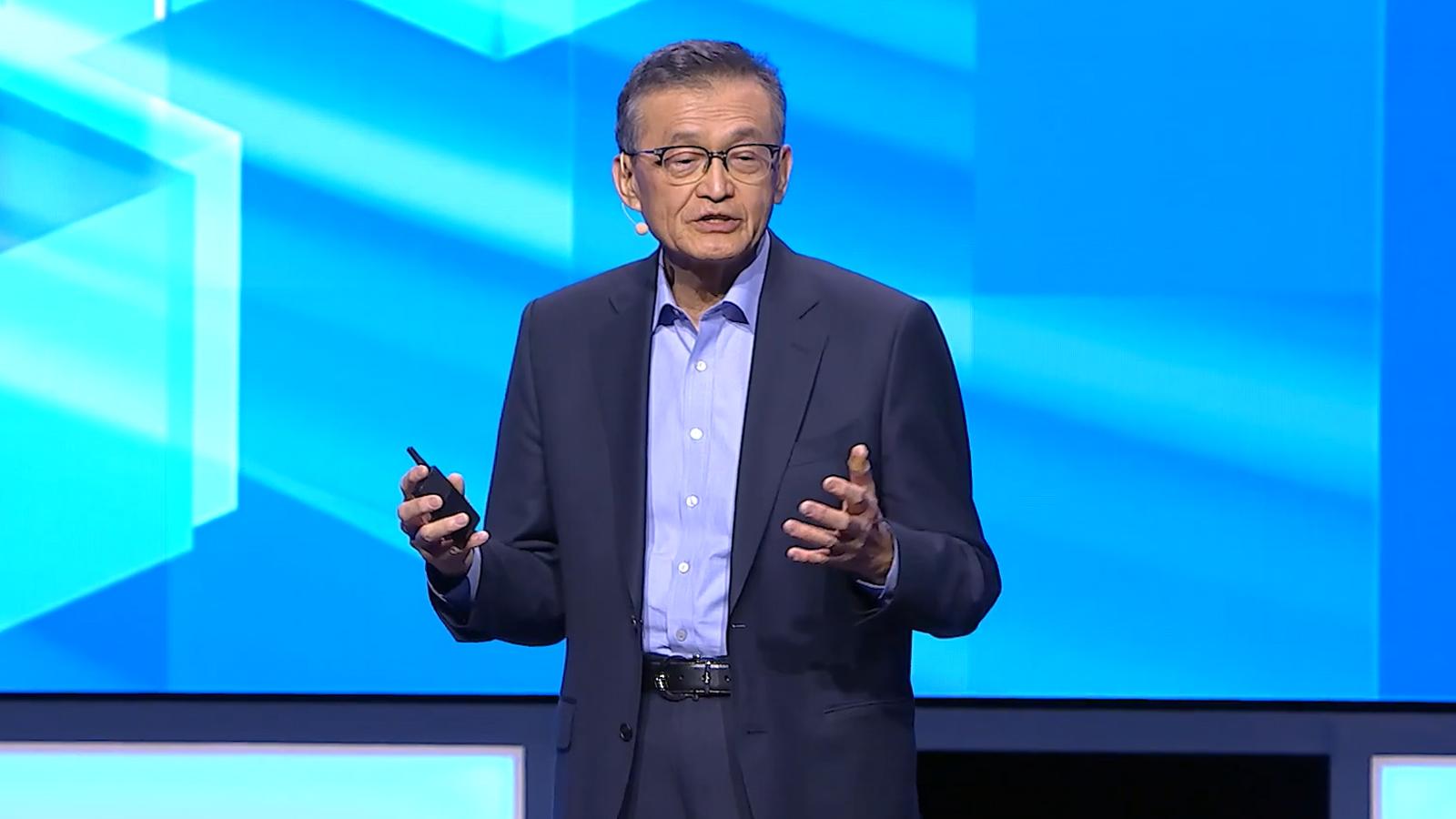
Intel’s CEO, Lip-Bu Tan, agreed to the deal following direct discussions with the White House. Trump presented the move as a major win for the country, noting that the conversion of $8.9 billion in subsidies into shares effectively puts that money back into government hands. The shares will be priced at $20.47 each, a discount compared to their current market price of about $24.80, making the U.S. government Intel’s largest shareholder overnight.
While significant, the stake is non-voting, ensuring the government cannot directly control the company or claim board seats. Still, the presence of a federal shareholder of this size adds an entirely new dynamic to Intel’s turnaround strategy. The deal also gives Washington the option to expand its stake further if Intel’s foundry business slips below a set threshold, adding an extra layer of government oversight.
The motivation behind the move is both economic and strategic. Intel has struggled to keep up with competitors like TSMC and Samsung, while also posting an $18.8 billion loss in 2024. Trump’s administration sees direct investment as a way to accelerate new factory builds, protect supply chains from geopolitical shocks, and revive American leadership in semiconductor production. Previous efforts, including a $2 billion investment from SoftBank, have not been enough to ease concerns about Intel’s long-term outlook.
Skeptics argue the deal does little to solve Intel’s fundamental problem: a lack of outside customers for its most advanced manufacturing processes. Without a steady pipeline of contracts to fill new capacity, critics warn that taxpayer-backed equity could end up propping up a struggling firm without ensuring a real recovery.
The Intel deal is also part of a broader White House strategy to deepen government ties with private industry. Recent months have seen revenue-sharing agreements with Nvidia and equity arrangements in critical raw materials companies. Supporters see these steps as an overdue industrial policy, while detractors view them as government interference that could distort markets.


