

Image Courtesy: Tesla
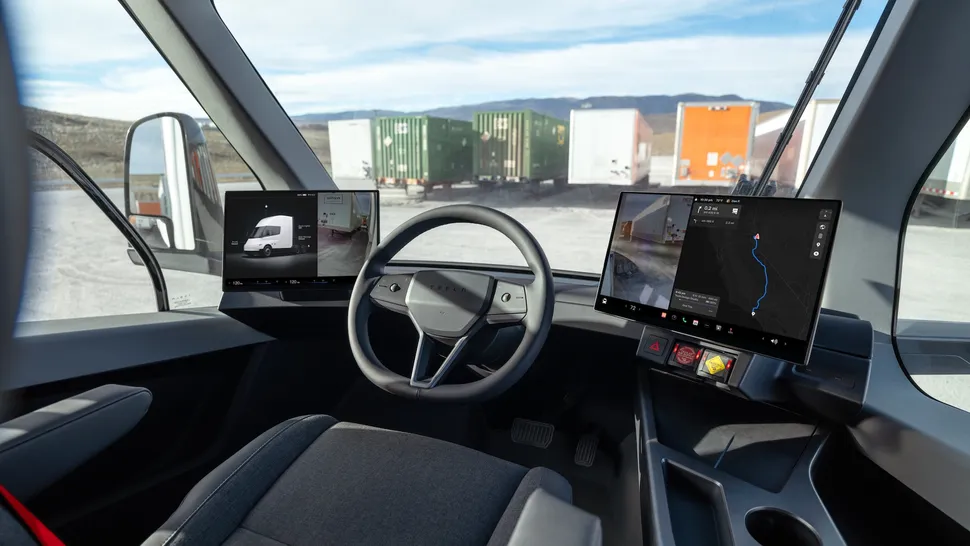
Tesla has begun high volume production of its long awaited electric truck, with the first Tesla Semi rolling off a dedicated production line in Nevada. The milestone comes seven years after the vehicle was first unveiled, marking a shift from limited testing units to scaled manufacturing.
The announcement was shared through Tesla’s official Semi channels as the company moves forward with deliveries expected later this year. Development of the truck has faced multiple delays since its 2017 debut, with only a small number of units previously produced for road testing.
The Tesla Semi will be offered in two configurations. A Standard Range version is rated for around 325 miles on a full load, while a Long Range variant is designed to reach up to 500 miles. Both versions are built to handle a gross vehicle weight of up to 82,000 pounds, aligning with Class 8 trucking standards.
One of the key technical features is its battery system. The Long Range model is expected to use a battery pack of roughly 900 kWh, making it one of the largest ever fitted to a production electric vehicle. This capacity enables compatibility with megawatt level charging, allowing the truck to recharge in about 30 minutes under optimal conditions.
Tesla is also developing its own charging infrastructure to support the Semi, installing high power stations along major freight routes in the United States. These chargers are designed to deliver up to 1.2 megawatts of power, significantly reducing downtime compared to conventional electric truck charging setups.
In terms of pricing, Tesla has positioned the Semi below some competing electric heavy duty trucks. The Long Range version is expected to cost around $290,000, while the Standard Range model is estimated at $260,000. Efficiency is another focus, with Tesla targeting approximately 1.7 miles per kilowatt hour even under full load conditions.
The company claims the battery system is engineered for a lifespan of up to one million miles, which could influence long term operating costs for fleet operators. If achieved in real world conditions, this would address one of the main concerns around electric trucking, battery durability over extended use.
Competition in the electric trucking sector has increased during the Semi’s development period. Companies like Volvo have already introduced multiple electric truck models, while Freightliner has brought vehicles like the eCascadia to market. Tesla’s approach combines vehicle production with investment in charging infrastructure, aiming to build a complete operating ecosystem.
The start of mass production signals a new phase for Tesla’s commercial vehicle strategy, as it moves from prototype development to broader market deployment.


