

China’s electric vehicle giant BYD has overtaken Tesla to become the world’s largest seller of fully electric cars, marking a symbolic turning point in the global EV market, as reported by the BBC. For the first time on an annual basis, the Chinese automaker has outpaced Elon Musk’s company, underscoring the growing pressure Western manufacturers face from lower-priced and fast-scaling Chinese rivals.
According to figures released this week, BYD sold more than 2.25 million battery electric vehicles worldwide in 2025, an increase of nearly 28 percent year on year. In contrast, Tesla reported global sales of 1.64 million vehicles, a decline of almost 9 percent and its second consecutive year of falling deliveries.
Tesla’s slowdown was particularly pronounced in the final quarter of 2025, when sales dropped 16 percent. Analysts point to several contributing factors, including reduced government incentives in key markets, a mixed reception to newer models, and intensifying competition from Chinese manufacturers that are aggressively pricing vehicles below established Western brands. In the United States, the repeal of a subsidy worth up to $7,500 on certain electric and hybrid vehicles also weighed on demand.
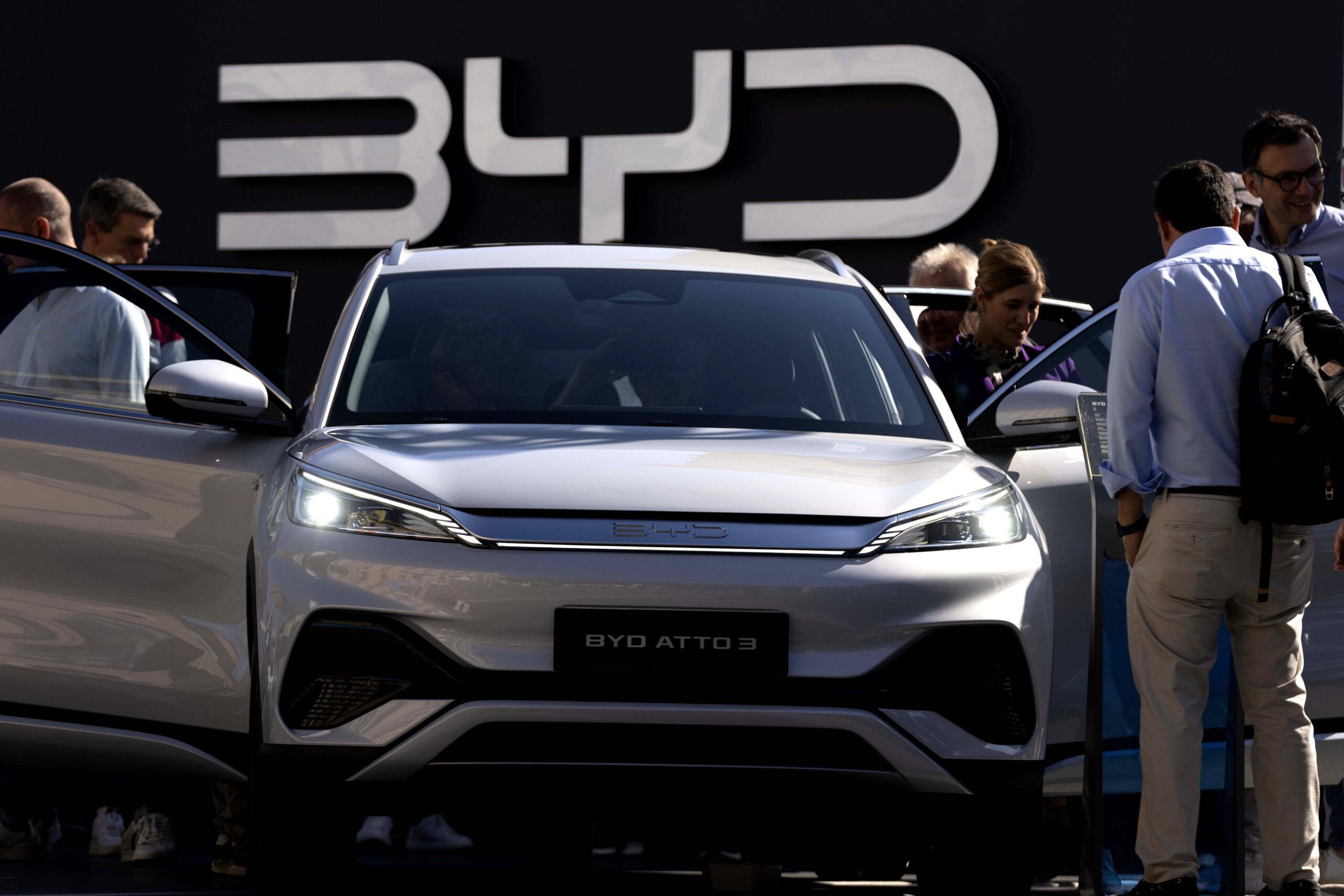
BYD’s rise reflects broader structural changes in the EV industry. Chinese automakers such as BYD, Geely, and MG have leveraged large-scale domestic manufacturing, integrated battery supply chains, and price competitiveness to expand rapidly both at home and abroad. Although growth in China’s EV market slowed in 2025 due to fierce competition, BYD continued to gain share internationally, particularly in Latin America, Southeast Asia, and parts of Europe.
In the United Kingdom, BYD said sales surged sharply in 2025, driven in part by strong demand for its plug in hybrid Seal U SUV. The company has expanded despite facing tariffs and regulatory scrutiny in several Western markets, highlighting how cost advantages are helping Chinese brands push into traditionally Tesla-dominated territory.
Despite losing the top sales position, Tesla remains more profitable than BYD in recent quarters, thanks to higher margins and a stronger premium brand image. Investors are also watching Tesla’s longer-term bets, including self-driving technology, robotaxis, and its humanoid robot program, which analysts say could reshape the company’s future if successfully commercialized.
Still, BYD’s ascent to the top of the EV sales rankings signals a shifting balance of power. While Tesla helped define the modern electric car industry, the latest figures show that scale, pricing, and global reach are increasingly determining who leads the race as EVs move from early adoption to mass market reality.


