

Tesla has released its fourth “Master Plan,” but instead of laying out a clear roadmap for electric vehicles and renewable energy, the company has shifted its focus toward AI, humanoid robots, and the newly coined phrase “sustainable abundance.”
At fewer than 1,000 words, Master Plan 4 is the briefest of the company’s strategic declarations and the first to be published on X, Elon Musk’s own social media platform, rather than Tesla’s official site. The language is noticeably utopian, resembling the kind of writing one might expect from a chatbot, and offers sweeping claims about the role of technology in shaping society. One passage states: “Making technologically advanced products that are affordable and available at scale is required to build a flourishing and unconstrained society. It serves to further democratize society while raising everyone’s quality of life in the process. The hallmark of meritocracy is creating opportunities that enable each person to use their skills to accomplish whatever they imagine.”
This kind of lofty rhetoric stands in stark contrast to Tesla’s earlier roadmaps. The first Master Plan in 2006 spelled out a straightforward strategy to build an electric sports car and use profits to fund successively more affordable vehicles. The second, published in 2016, promised electric trucks and buses, as well as fleets of autonomous robotaxis. The third, unveiled in 2023, aimed at nothing less than eliminating fossil fuels worldwide through a global transition to sustainable energy. By comparison, Master Plan 4 contains no measurable targets or actionable steps.
The context surrounding this new plan is equally important. Since the last Master Plan, Elon Musk has purchased Twitter, rebranded it as X, launched the AI startup xAI, and rolled out the Cybertruck, which has struggled to gain traction. His political activities, including a $300 million donation to Donald Trump’s campaign and support for sweeping federal budget cuts, have further eroded Tesla’s brand image. Sales are down across multiple markets, and the company’s once-celebrated status as the leader of the EV revolution has been overshadowed by controversies and competition.
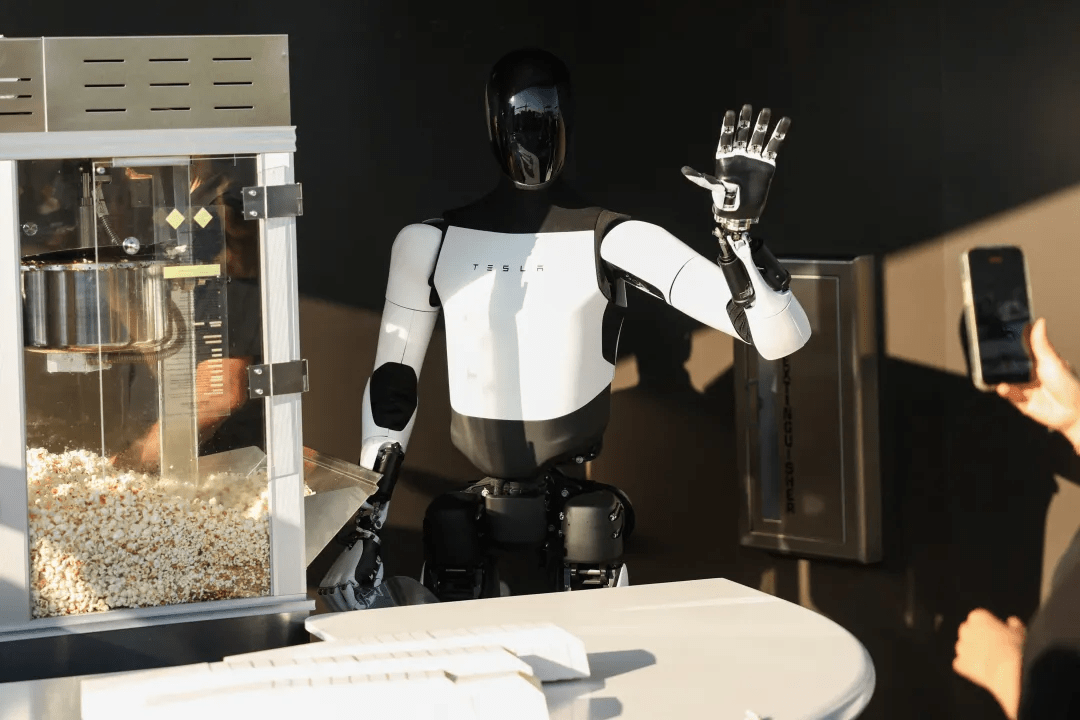
Within this climate, the emphasis on “sustainable abundance” feels less like a strategic pivot and more like an attempt to borrow credibility from broader cultural debates. The word “abundance” has become a popular slogan among certain political and economic thinkers who see deregulation and productivity growth as solutions to societal challenges. Musk pushes the idea further, declaring in the document that “growth is infinite,” a phrase that dismisses traditional constraints such as labor, resources, or capital. It is not the first time he has leaned on such hyperbole: demand for Tesla’s vehicles has been described as “infinite,” as has the Cybertruck’s towing capacity though the latter is in reality capped at 11,000 pounds.
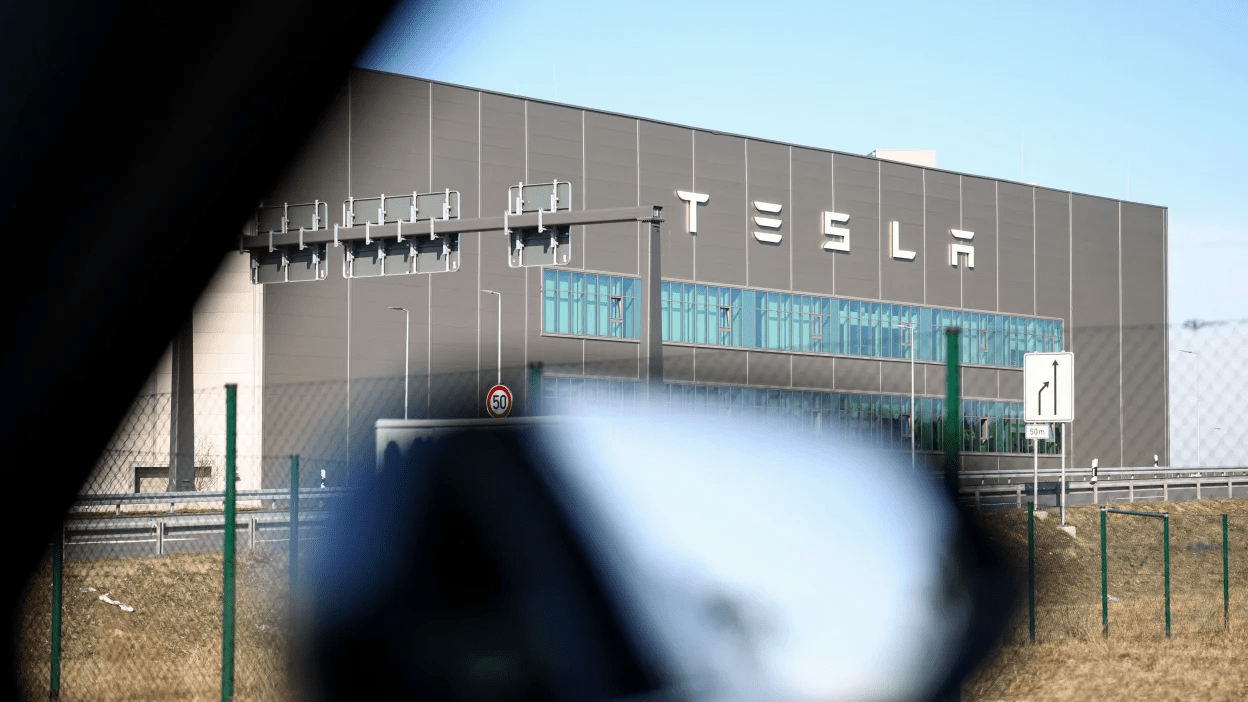
Despite its ambitious language, Tesla’s recent track record suggests otherwise. The company’s vehicles are not fully self-driving, the long-promised solar roof remains sidelined, the affordable “Model 2” has been canceled, and the much-hyped humanoid robots still cannot perform basic tasks without human intervention. Even Musk himself recently conceded that the second Master Plan remains incomplete and that the third was “too complex for almost anyone to understand.” He defended this fourth version by calling it “concise,” though critics on X joked that it “reads more like a glorified TED Talk than a Gantt Chart with deadlines and KPIs.”
Tesla’s earlier mission statements helped define its role as a pioneer in electric mobility and renewable energy, offering both vision and tangible goals. Master Plan 4, by contrast, drifts into abstraction, placing its bets on AI-driven promises and utopian ideals.
One critic observed, “This latest iteration is pure fluff. It risks floating away on a current of its own self-regard.”


