

For the first time, neuroscientists have pinpointed a kind of “mileage clock” in the brain; an internal mechanism that helps us track how far we’ve traveled. By studying rats running inside a custom-built arena, researchers discovered that specific brain cells fire in a regular ticking pattern, like steps on an odometer. Remarkably, when humans performed a similar test, the same mechanism appeared to exist in our own brains.
The study, published in Current Biology, focuses on grid cells, a set of neurons in the brain known for their role in navigation and memory. These cells fired in precise intervals about every 30 cm for the rats providing what researchers call a biological “distance counter.”
Lead researcher Prof. James Ainge of the University of St Andrews explained: “Imagine walking between your kitchen and living room. [These cells] are in the part of the brain that provides that inner map – the ability to put yourself in the environment in your mind.”
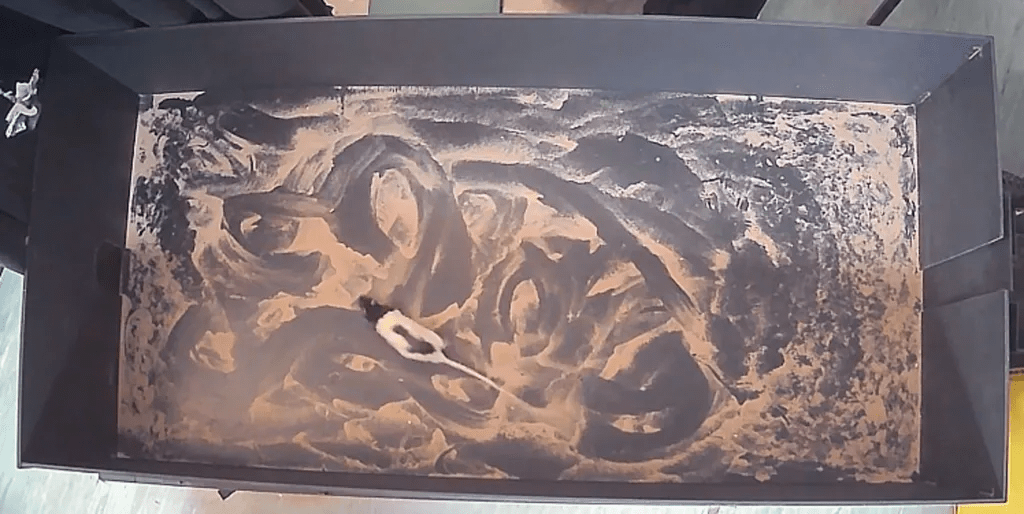
In their rat experiments, scientists trained the animals to run a set distance in a rectangular arena, rewarding them with chocolate cereal when they got it right. When the brain’s mileage clock ticked regularly, the rats were accurate. But when the researchers subtly altered the arena’s shape, the rhythm of the grid cells broke down. The rats then began misjudging the distance, often stopping too soon.
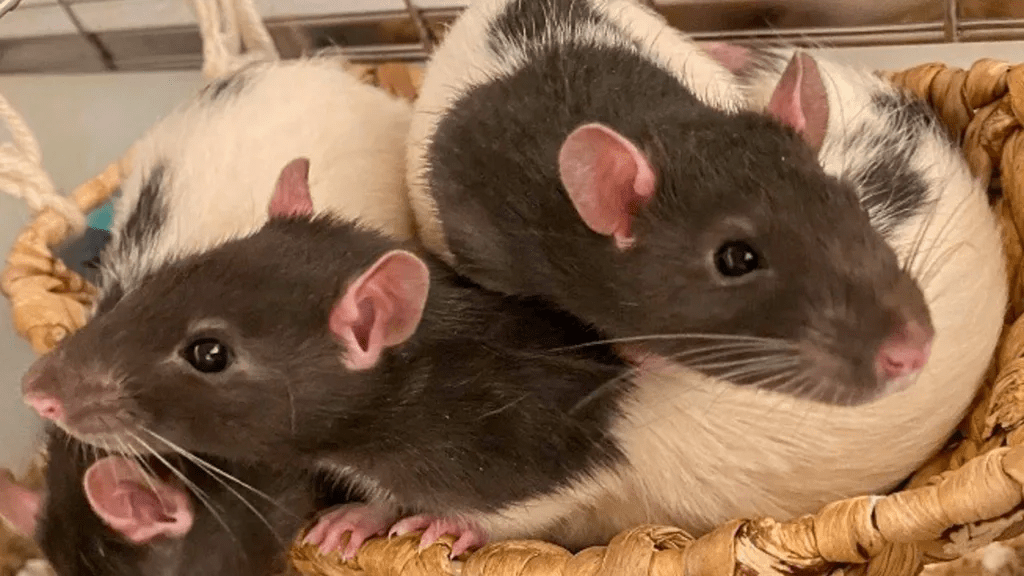
“They seem to show this sort of chronic underestimation,” Prof. Ainge noted. “There’s something about the fact that the signal isn’t regular that means they stop too soon.”
The team likened this to real-life situations, such as walking in fog. Without visual cues, our internal mileage counter falters, making it much harder to judge distance.
To see if humans shared the same mechanism, the researchers scaled up the experiment. They built a 12m x 6m arena in St Andrews’ student union and asked volunteers to perform the same walking tasks as the rats. The results matched: in a symmetrical rectangular space, participants were accurate. But once the walls were shifted, their estimations grew unreliable just like the rodents.
Prof. Ainge highlighted the similarity across species: “Rats and humans learn the distance estimation task really well, then, when you change the environment in the way that we know distorts the signal in the rats, you see exactly the same behavioural pattern in humans.”

The discovery also has important implications for health. The grid cells that act as this mileage clock are among the first affected in Alzheimer’s disease.
According to Prof. Ainge, this could open the door to new diagnostic tools: “People have already created [diagnostic] games that you can play on your phone, for example, to test navigation. We’d be really interested in trying something similar, but specifically looking at distance estimation.”


