

Saudi Arabia’s capital has unveiled a striking new chapter in urban mobility. Launched in December 2024, the Riyadh Metro is more than just a public transport project, it’s a cultural landmark, an architectural showcase, and the world’s longest driverless metro system.
Spanning 176 kilometers (110 miles) across six lines, the $22.5 billion system links strategic destinations including King Khalid International Airport and the King Abdullah Financial District (KAFD). With the capacity to carry 3.6 million passengers a day, the project is not only functional but also visually stunning.
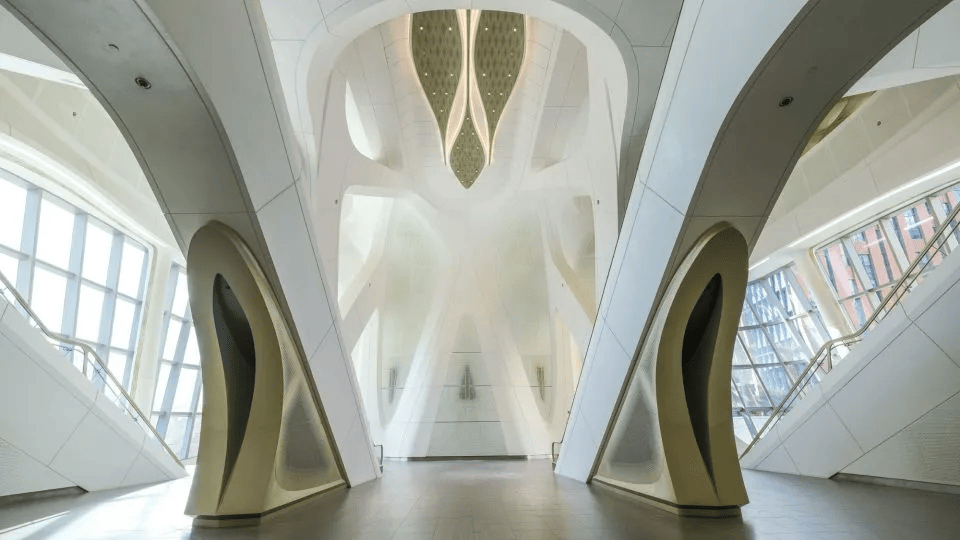
The metro features 85 stations, with standout hubs such as KAFD, STC, Western Station, and Qasr Al-Hokm, each designed by world-renowned architects.
Qasr Al-Hokm, created by Norway’s Snøhetta in partnership with ONEWORKS + CREW, officially opened in February 2025. Spread across seven floors and covering 22,500 square meters, the station blends heritage and modernity with its curved stainless-steel canopy reflecting the surrounding district. Inside, commuters find shops, art installations, and even an indoor garden. Riyadh resident Tricia Ooi calls it “one of the best attractions… other than the beauty of the station itself, there is a traditional Saudi market — Souk Al Zal, just five minutes away.”
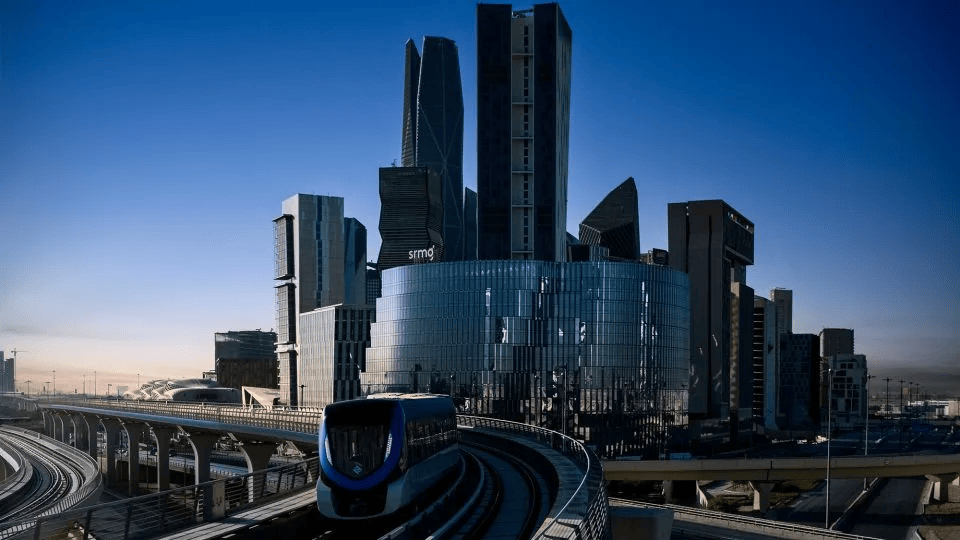
Meanwhile, the KAFD station, designed by Zaha Hadid Architects, has become the busiest node on the network, featuring an undulating façade inspired by desert winds. It connects three metro lines, integrates a monorail system, and even hosts a sculpture by Alexander Calder, part of Riyadh Art’s permanent collection.
The Western Station, by Omrania, and the STC Station, by Gerber Architekten, add further architectural depth. Each station doubles as a cultural window, combining functionality with artistry.
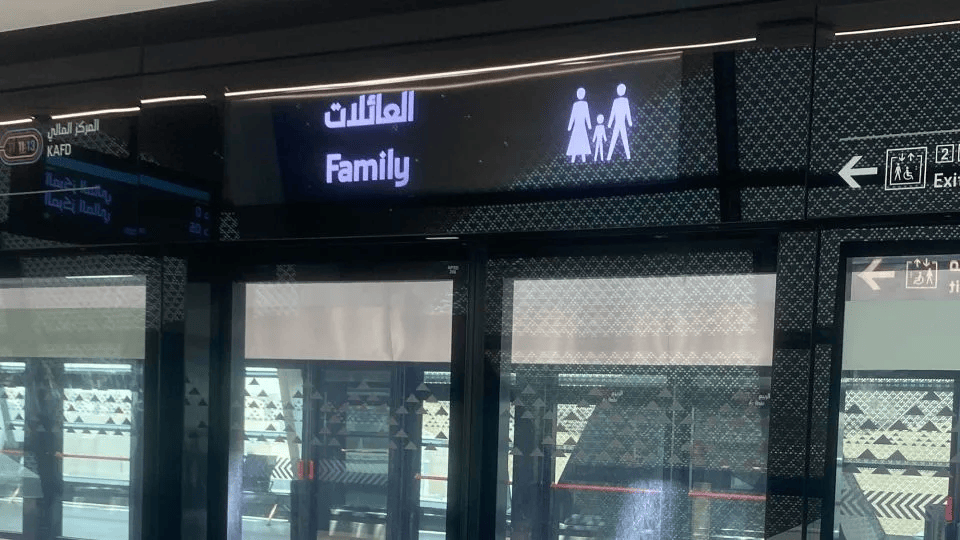
The trains themselves are divided into three carriage types: singles (men only), families, and first class, echoing the city’s cultural norms. Interiors, by France’s Avant Première, feature Riyadh-inspired patterns. With regenerative braking systems and solar panels at stations, the metro also scores high on sustainability.
The service is efficient, with trains every four minutes at peak hours, though limited seating means standing is common during rush times. Still, many residents highlight how the metro encourages interaction among people from different backgrounds. For newcomers, large stations like Qasr Al-Hokm can feel overwhelming, but staff assistance is readily available.
The project’s vision was summed up by Ibrahim bin Mohammed Al Sultan, CEO of the Royal Commission for Riyadh City: “Today, Riyadh City is reaping the benefits of this project that will reshape the capital’s image and redefine mobility for its residents and visitors.” He added, “The network is in line with Riyadh’s economic, social, environmental, and urban development objectives, and represents a historic milestone in the capital’s transportation sector.”
Despite the achievement, car traffic in Riyadh remains heavy, and in some cases, journeys can still be quicker by car due to the city’s layout. Yet, usage has exceeded expectations: within just 11 weeks, more than 18 million passengers had used the system, and by mid-2025, it had welcomed its 100 millionth rider.
Looking ahead, expansion plans are already underway, including a proposed seventh line that would connect Qiddiya Entertainment City, King Abdullah International Gardens, and Diriyah Gate. In September, Hassan bin Thabet Street Station was added to the Orange Line.
“Riyadh Metro is going to ease the daily lives and commute of citizens, residents and visitors, offering them a world-class urban travel experience,” Al Sultan noted.


 across six lines, the $22.5 billion system links strategic […]&media=https://wonderfulengineering.com/wp-content/uploads/2025/10/image-23.png)