

A new chemistry breakthrough may soon transform the future of electric vehicles. Scientists have discovered a way to overcome one of the biggest hurdles in battery technology, paving the way for lithium-metal batteries that can deliver 500-mile (800-kilometer) journeys on a single charge and recharge in just 12 minutes.
Lithium-metal batteries have long been hailed as the next leap beyond today’s lithium-ion designs. By replacing the graphite anode with pure lithium metal, they offer far greater energy density, meaning EV drivers could enjoy longer ranges and shorter charging times. However, their development has been hampered by a persistent issue: the formation of dendrites.
Dendrites are tiny, branching crystalline structures that grow on the lithium metal anode during charging. Over time, they reduce efficiency, increase the risk of short circuits, and become especially problematic during rapid charging. This flaw has stood in the way of making lithium-metal batteries a safe and viable alternative.
In a study published September 3 in Nature Energy, researchers reported that they had found a way to suspend dendrite growth. The key lies in a newly designed “cohesion-inhibiting” liquid electrolyte. Unlike conventional electrolytes, this formulation ensures that lithium ions deposit more evenly across the anode surface, preventing the weak spots where dendrites typically begin to form.
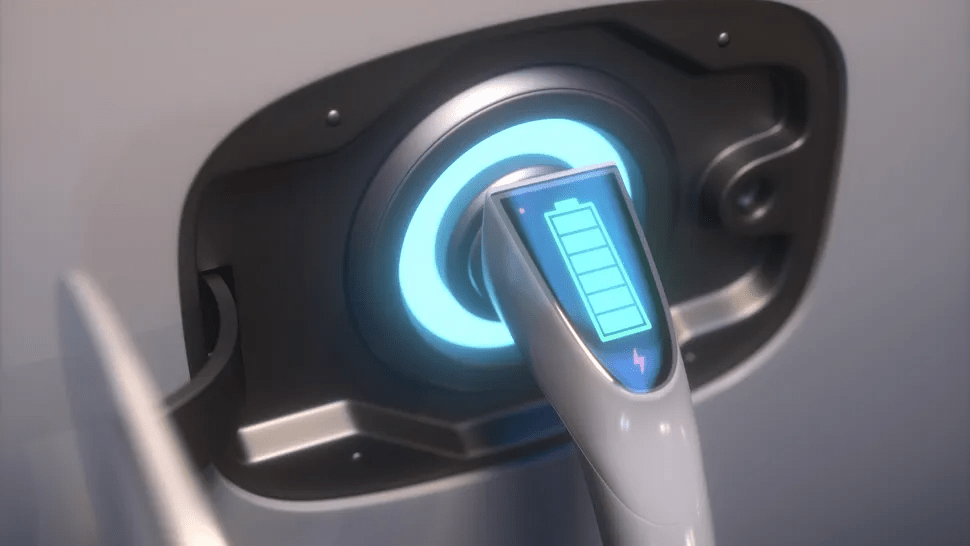
The results were striking. In lab tests, the batteries charged from 5% to 70% in just 12 minutes while maintaining performance across 350 cycles. A higher-capacity prototype achieved 80% charge in 17 minutes and lasted through 180 cycles. Beyond speed, the researchers noted the batteries could remain effective over distances exceeding 185,000 miles (300,000 kilometers).
Professor Hee Tak Kim, co-author of the study and a chemical and biomolecular engineering expert at the Korea Advanced Institute of Science and Technology (KAIST), emphasized the significance of the breakthrough. “This research has become a key foundation for overcoming the technical challenges of lithium-metal batteries by understanding the interfacial structure,” he said. “It has overcome the biggest barrier to the introduction of lithium-metal batteries for electric vehicles.”


 journeys on a single charge and recharge in just 12 minutes. Lithium-metal batteries have long been hailed […]&media=https://wonderfulengineering.com/wp-content/uploads/2025/09/image-61.png)