

For over a decade, electric engines have dominated conversations about the future of the automobile industry. Companies like Tesla helped lead the charge, inspiring traditional automakers to follow with their own electric and hybrid models. But as the world pushes further toward sustainability, hydrogen-powered engines are emerging as a formidable and complementary alternative, especially as Japan places itself at the center of this rising movement.
Japan continues to solidify its role as a global leader in hydrogen-powered automotive innovation. Automakers such as Toyota and Hyundai have pioneered hydrogen fuel cell technology, expanding both their electric and hydrogen-powered vehicle lines to meet growing consumer demand for cleaner, climate-conscious alternatives. These engines don’t burn fuel in the traditional sense instead, they generate electricity through a chemical reaction between hydrogen and oxygen, producing only water as a byproduct. This makes hydrogen engines one of the cleanest propulsion technologies available.
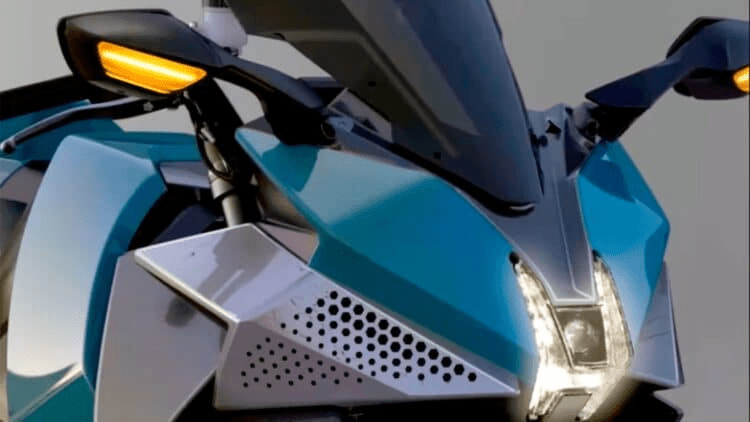
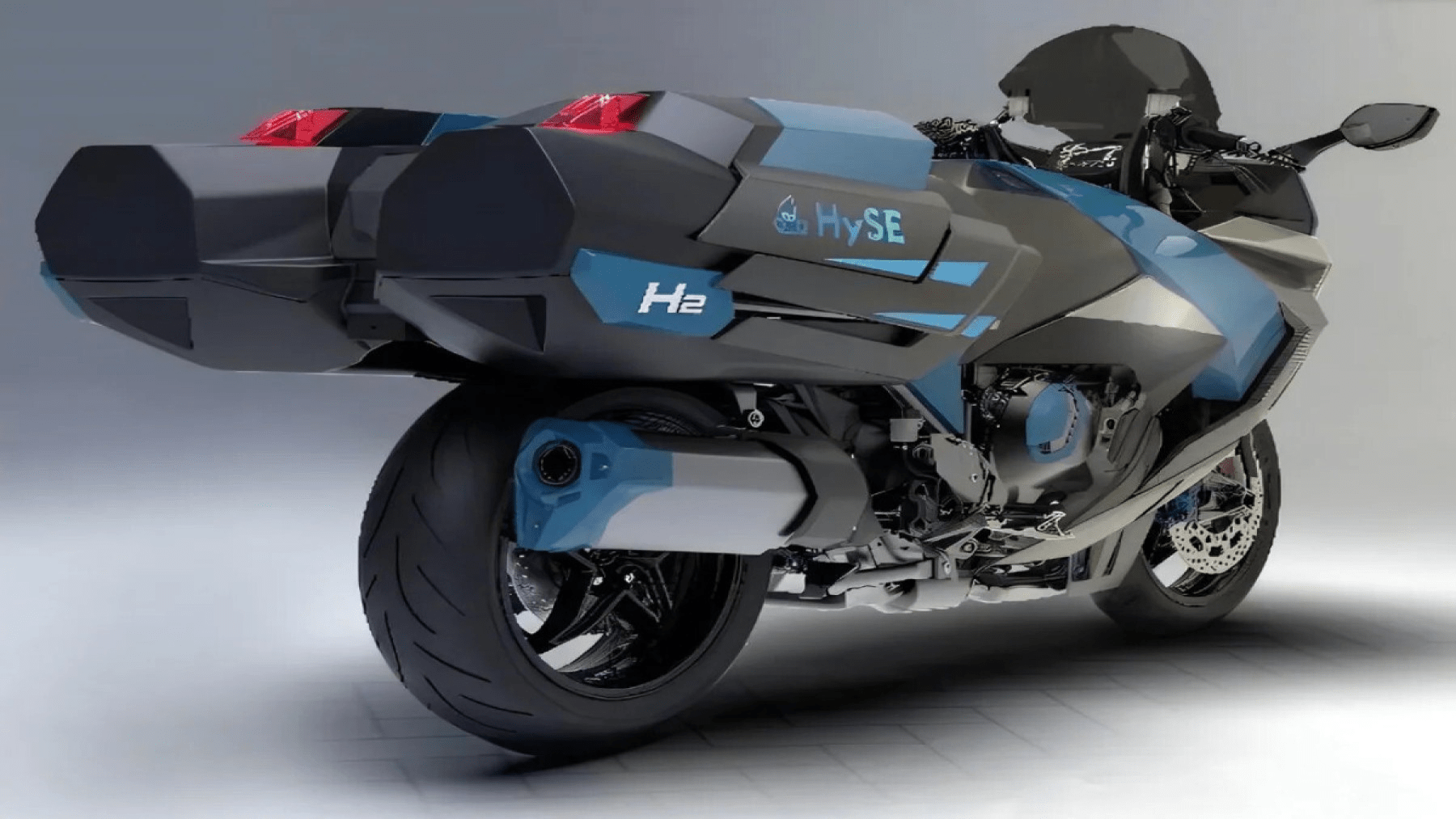
Among the latest developments, Kawasaki’s unveiling of the hydrogen-powered “Ninja H2” motorcycle in July last year marks a significant leap forward. First announced as a project in March 2023, the Ninja H2 features a supercharged inline-four engine with 998 cc displacement, and though it remains in the prototype phase, it is expected to be commercially available in the 2030s.
This bike is more than just a technical achievement—it’s a symbol of collaboration among Japan’s four major motorcycle makers: Kawasaki, Honda, Yamaha, and Suzuki. Rather than competing on this front, these industry giants have chosen to share expertise, resources, and vision to push hydrogen technology forward, showing that joint innovation may be our best route to sustainability.
But while these developments are promising, technological progress alone isn’t enough. The widespread adoption of hydrogen vehicles will require massive infrastructure support, particularly in the form of hydrogen refueling stations, simplified regulatory paths, and governmental incentives to make these vehicles accessible to the public.
Hydrogen and electric engines represent the future, but the internal combustion engine still dominates the present. To change this, more than just technological innovation is needed. Governments, manufacturers, and consumers must collectively prioritize low-emission solutions and rethink how we move through the world.
That means investing not only in green vehicles but also in public transportation and pedestrian-friendly urban design. Reducing the number of cars on the road altogether is just as crucial as improving the emissions of the ones that remain. A world that’s easier to navigate without a car is a world better prepared to meet climate targets.
Governments worldwide are beginning to offer incentives to nudge consumers away from gasoline engines, but further support is essential. Whether it’s reducing bureaucratic hurdles or funding hydrogen refueling infrastructure, policy must keep pace with innovation. Only then can next-generation technologies like the Ninja H2 become more than prototypes; they can become daily drivers in a greener, smarter world.


