

A recent cyberattack in Norway has highlighted how vulnerable modern infrastructure can be when digital security measures fail. Back in April, hackers gained access to the control system of a dam in Bremanger, a facility used primarily for fish farming, and remotely opened a valve. This caused water to gush out at a rate of around 132 gallons per second for nearly four hours before operators were able to stop it. Although no serious flooding or injuries were reported, the event raised concerns about the risks that come with increasingly connected critical systems.
The incident has since been attributed to a pro-Russian cyber group, with investigators confirming their involvement after a video surfaced on Telegram showing the dam’s control panel being manipulated. That video, which included a watermark linked to a known hacking collective, has been cited as proof that the attackers had infiltrated the system. For Norway, this marked the first time such an operation against physical infrastructure has been directly tied to Russia, sending a clear message about the evolving nature of hybrid warfare.
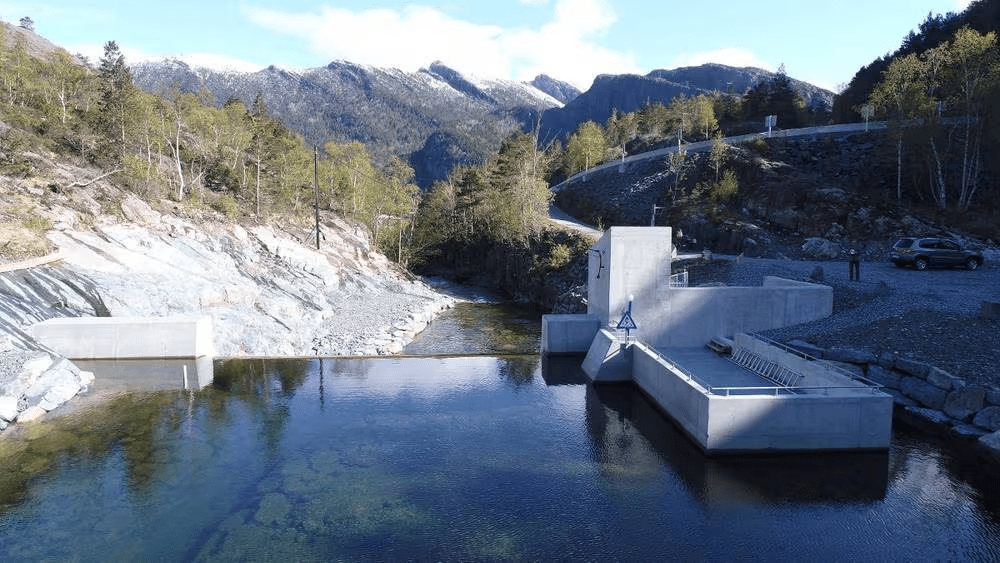
Technically, the breach appears to have been carried out through vulnerabilities in remote access to the dam’s control interface. Many industrial systems still rely on outdated protections or poorly configured security layers, making them easier targets for skilled attackers. For engineers and operators, this event underscores the importance of measures like multi-factor authentication, segmented networks, and continuous monitoring of operational technology environments. A single weak point in these systems can lead to consequences that extend well beyond the digital space.
Authorities acted quickly to isolate the compromised system and review other critical infrastructure for similar risks. Norway’s government has since accelerated investment in cybersecurity upgrades, including deploying AI-driven monitoring tools and requiring more rigorous penetration testing of industrial systems. These efforts are also in line with broader European regulations, such as the NIS2 directive, which is designed to strengthen resilience across essential services.
What makes this case particularly concerning is how it blurs the line between cyber disruption and real-world damage. Hydropower is central to Norway’s energy supply, and an uncontrolled release at a larger facility could have had far-reaching consequences for both people and the grid. By choosing a smaller target, the attackers demonstrated capability without sparking an international crisis, while still making their intentions clear. As TechSpot reports, the event serves as a reminder that infrastructure operators must treat cybersecurity as seriously as physical maintenance if they want to stay ahead of evolving threats.


