

Google has silently transformed earthquake detection. A groundbreaking study published July 17 in Science reveals that the tech giant’s Android Earthquake Alerts (AEA) system, which taps into the motion sensors of over 2 billion smartphones, now matches traditional seismometers in effectiveness. Since 2021, AEA has identified over 11,000 earthquakes and provided 1,279 alerts in 98 countries.
Google has enabled early earthquake warnings to reach an additional 2.5 billion people across the world today, compared to 250 million in 2019, by turning ordinary smartphones into a giant sensor network. What could we do to provide people with a few seconds of warning when the shaking begins? This was a statement by Google. These seconds are sufficient to step off a ladder, relocate oneself to avoid hazardous items, and seek shelter.
AEA is a system that harnesses the accelerometers on Android devices to monitor P-waves, which are the precursor waves that move fast and cause destructive S-waves. Unlike the traditional systems that would require expensive, fixed seismic stations, AEA is cheap and mobile. The system will then calculate earthquake magnitude and location and then issue rapid warnings to the people in the possible danger areas.
Despite smartphone sensors being less precise than professional-grade seismometers, Google’s massive device network compensates through sheer volume and constant data logging. Engineers devised ways around the issues of device variation, the local geology and building characteristics in order to interpret these pooled signals.
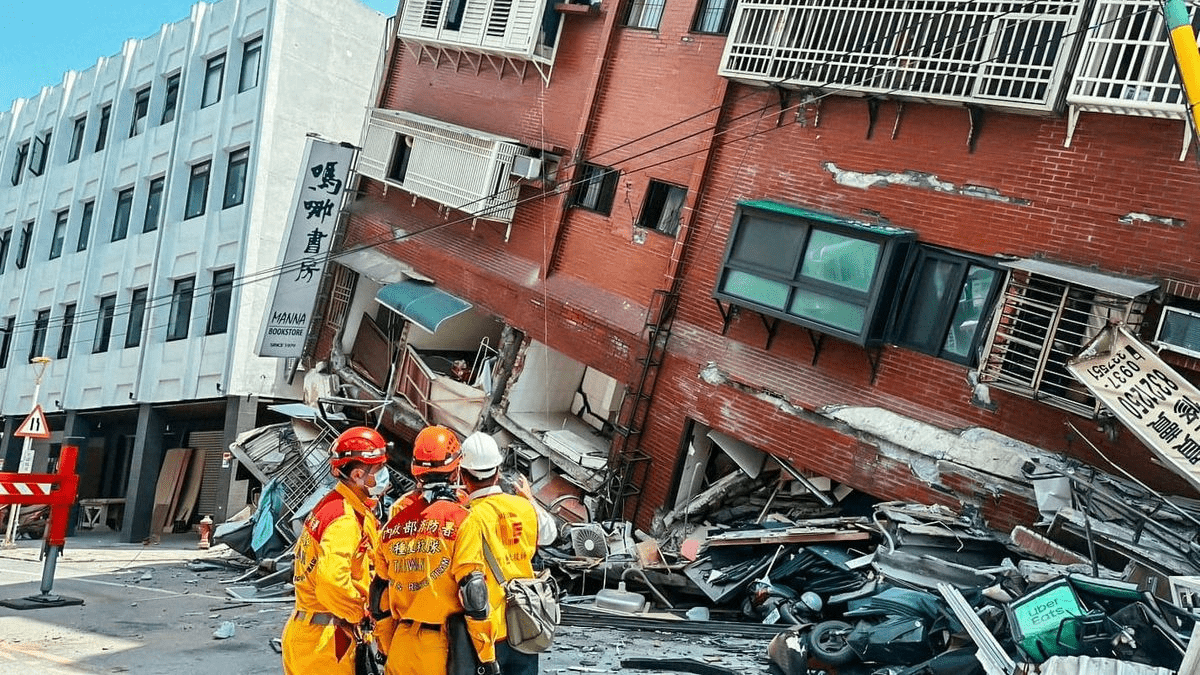
In operation in Greece, Turkey, Japan, Indonesia, and the U.S., AEA has achieved good results: 85 percent of users in these countries had been warned by AEA during recent earthquakes—36percent before the shaking started, 28 percent during it and 23 percent afterward. In three years there were only three false alerts.
Nevertheless, this system is not perfect. The AEA underestimated major earthquakes in Turkey in February 2023, and changes to the algorithms are being made. These events indicate the continuous uneasiness regarding the use of privately owned warning infrastructure.
Nevertheless, the researchers underline that AEA is not a substitute but a complement to national systems. The study concludes that smartphones around the world can be used to track earthquakes and provide warnings on a mass scale, which is as effective as the existing systems and has an unparalleled reach.


 system, which taps into the motion sensors of over 2 billion smartphones, now matches traditional seismometers in effectiveness. Since 2021, AEA has identified over 11,000 earthquakes and provided 1,279 alerts in 98 […]&media=https://wonderfulengineering.com/wp-content/uploads/2025/08/BN-MP261_0214ta_M_20160214081913.jpg)