

Google’s Gemini has shot to the top of Apple’s app charts in the US and UK, unseating OpenAI’s ChatGPT as the most popular free app. This comes after the debut of Gemini’s new image editing model, Gemini 2.5 Flash Image, also nicknamed “Nano Banana”, which has quickly gone viral.
Launched in late August, Nano Banana has already seen explosive adoption. In just two weeks, users created more than 500 million images, according to Google. The feature’s popularity pushed Gemini past competitors like ChatGPT, Meta’s Threads, and Temu, depending on the region.
When unveiling the update on 26 August, Google called it a “state-of-the-art” model that tackles problems other AI tools have yet to solve. The company explained: “A fundamental challenge in image generation is maintaining the appearance of a character or object across multiple prompts and edits. This update enables you to blend multiple images into a single image, maintain character consistency for rich storytelling, make targeted transformations using natural language, and use Gemini’s world knowledge to generate and edit images.”
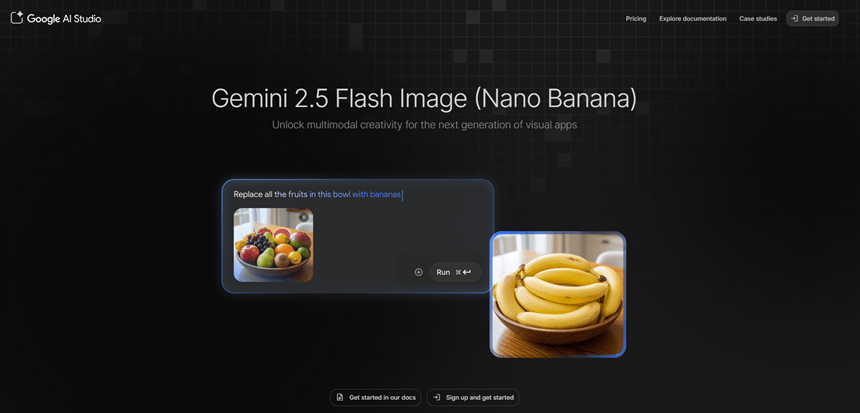
The model allows users to apply natural-language edits—such as swapping clothing textures, blending characters across images, or inserting objects—while maintaining realism. An example shared by Google showed a dress transformed into one made entirely of tennis balls.
The buzz is reflected in adoption numbers. Reporting by 9to5Google revealed Gemini has gained over 23 million new users since Nano Banana’s release. Much of its appeal lies in its ability to enhance or alter existing images with precision. Photographer and AI reviewer Thomas Smith praised the tool, writing:
“It’s insanely good. Specifically, Nano Banana excels at editing existing images, rather than simply summoning new ones out of the ether.”

Images created with the model have been widely circulated across X (formerly Twitter), Reddit, and other social platforms, fueling its viral rise.
To counter potential misuse, Google has embedded every Gemini-generated image with both a visible watermark in the corner and an invisible digital marker for online tracking. The move follows growing concern about the role of AI imagery in misinformation campaigns.
Google researchers highlighted this risk in a 2024 study, noting: “The sudden prominence of AI-generated content in fact checked misinformation claims suggest a rapidly changing landscape.”


