

The future of Europe’s flagship defence programme, the Future Combat Air System (FCAS), is clouded by growing tensions between Germany and France. Launched in 2017 with a projected cost of at least €100 billion, the initiative is designed to produce a sixth-generation fighter aircraft supported by drones and a digital “combat cloud.” More than a military venture, FCAS has been viewed as a cornerstone of European strategic autonomy.
At the heart of the conflict is French aircraft manufacturer Dassault Aviation. The German Defence Ministry recently accused Dassault of obstructing negotiations on the next phase of the programme, after its CEO, Eric Trappier, insisted that his company be granted stronger decision-making powers. This demand, reported by Reuters, has fueled friction with Germany and Spain, whose companies—Airbus and Indra hold equally critical roles in the development.
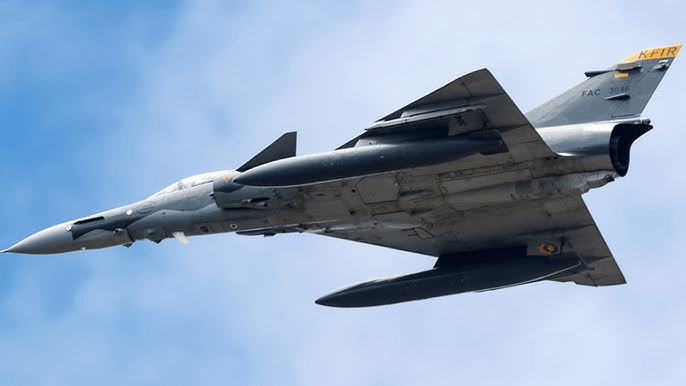
Jacob Ross, a researcher at the German Council on Foreign Relations (DGAP), underlined the complexity of sidelining partners. He explained that the FCAS structure extends well beyond Dassault’s fighter jet division: “There are other parts, other pillars of this FCAS project, for example a combat cloud, i.e. a digital infrastructure for exchanging information, for connecting to other aircraft, and in particular to unmanned aircraft, drones, which should also be developed in particular by Airbus and the German side.” His statement makes clear that the project cannot function without tight cooperation between all three nations.
Still, frustration in Berlin is mounting. Some German voices have openly suggested walking away from FCAS altogether. One alternative is the Tempest programme, led by the UK, Italy, and Japan, which also seeks to deliver a next-generation fighter jet. Another option, favoured by transatlantic-minded policymakers, would see Germany purchase more American F-35s, a move that could undermine Europe’s defence independence but strengthen ties with NATO allies.
Ross warned of the broader consequences should Berlin step aside: “It will have a cost for the bilateral Franco-German relationship, but also for European sovereignty in general, since the FCAS and its sister project, the MGCS, i.e. the tank of the future, were in a way the two main projects of this idea, of this vision of a more sovereign Europe.” His words highlight how deeply intertwined FCAS is with the European vision of self-reliant defence capabilities.
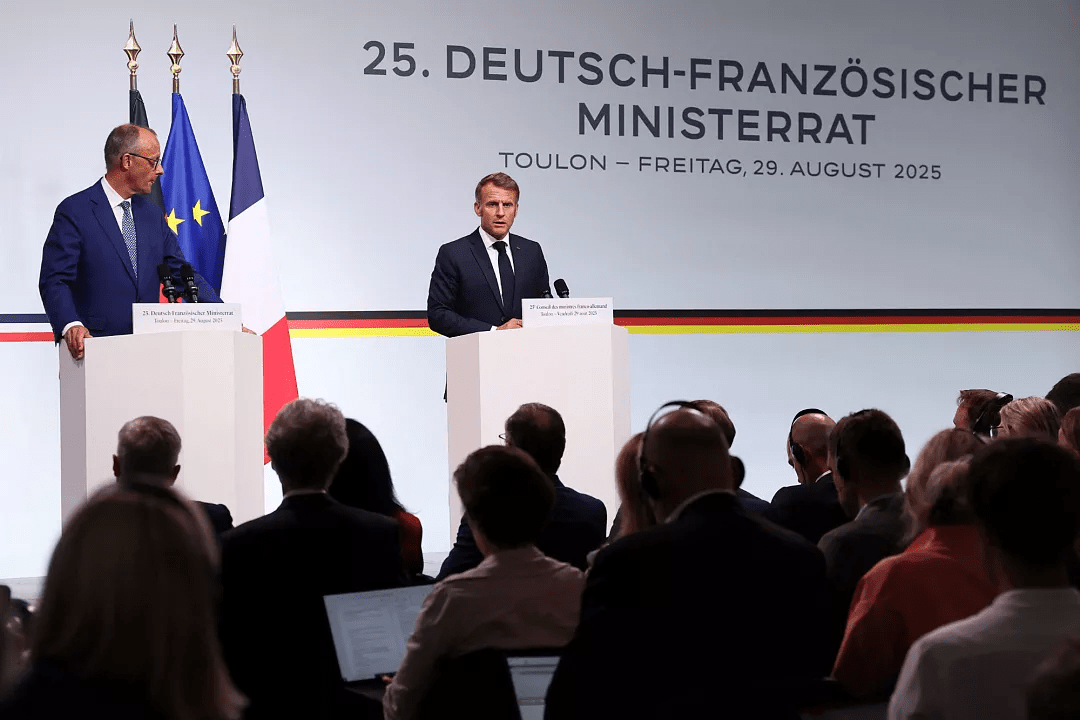
The issue has already reached the highest political stage. On 29 August 2025, German Chancellor Friedrich Merz met with French President Emmanuel Macron in Toulon during the Franco-German Council of Ministers. While the meeting aimed to reaffirm cooperation, the disagreements over FCAS suggest that Europe’s defence ambitions remain fragile, caught between industrial rivalries, political calculations, and competing visions of sovereignty.


, is clouded by growing tensions between Germany and France. Launched in 2017 with a projected cost of at least €100 billion, the initiative is designed to produce a sixth-generation fighter aircraft supported by drones and a digital “combat cloud.” More than a […]&media=https://wonderfulengineering.com/wp-content/uploads/2025/09/image-17.png)