

Few rivalries have been as fierce in the cutthroat world of technology as the one between Tim Cook and Elon Musk. The leaders of Apple and SpaceX, respectively, have frequently disagreed on issues ranging from market dominance to innovation. Musk’s audacious $5 billion offer to Apple, which might have changed the course of smartphone connectivity, is at the heart of the most recent chapter in this ongoing conflict.
Elon Musk made a bold promise prior to the 2022 release of Apple’s iPhone 14: SpaceX, his business, would use its Starlink network to provide satellite connectivity for the iPhone. Under Musk’s agreement, Apple had to pay $5 billion up front and $1 billion a year after an 18-month exclusivity period. Musk gave Apple a strict 72-hour window to make a decision because he thought this offer was too good to refuse.
Tim Cook, however, turned down the offer. Cook took a more cautious approach, choosing to partner with Globalstar, a smaller satellite service, because he wanted to be associated with a less risky provider. Many were taken aback by the rejection, but Musk didn’t hesitate to strike back.
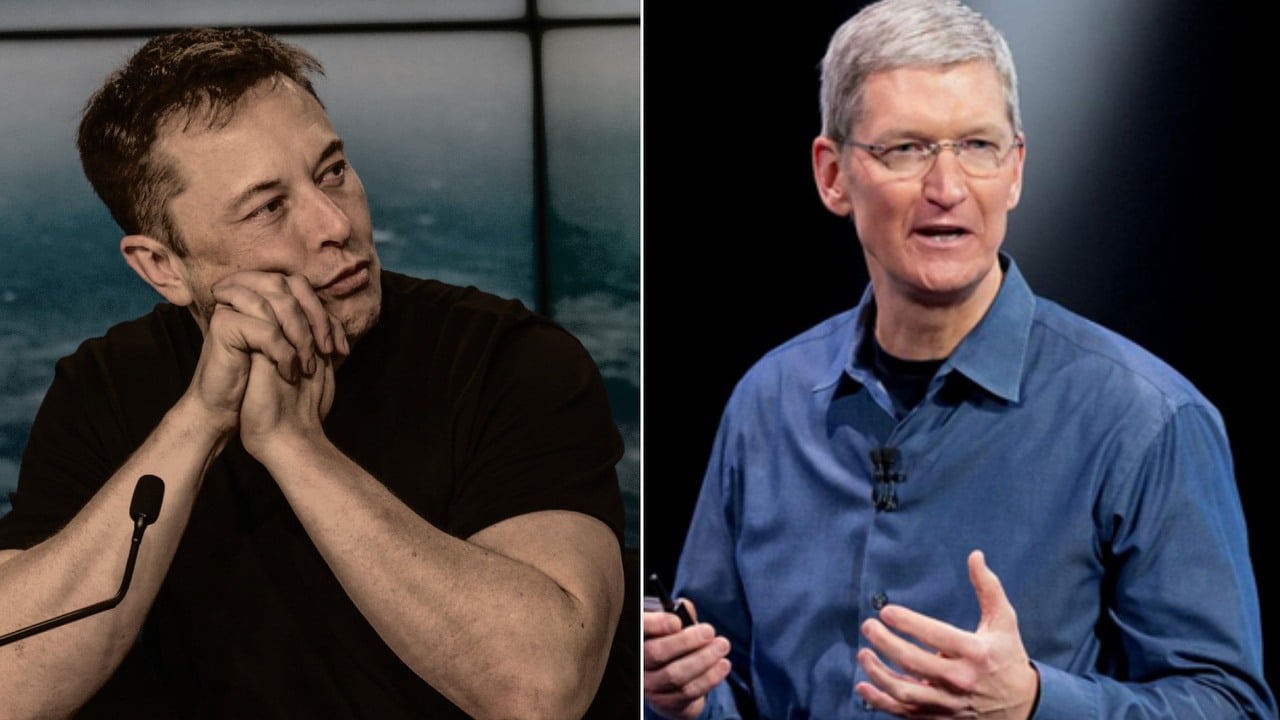
Musk, who never backs down, launched Starlink Direct to Cell in partnership with T-Mobile. Through Starlink, this service enabled iPhone users on T-Mobile’s network to access satellite-powered communication. Apple’s collaboration with Globalstar, which supplied the satellite infrastructure for the iPhone’s emergency connectivity feature, was directly put to the test by the action.
Musk’s service, which had more features and wider coverage, took off right away, intensifying the competition between the two tech behemoths.
When SpaceX contested Globalstar’s rights to a vital wireless spectrum that impacts Apple’s satellite services, the competition took a legal turn. Should SpaceX be successful, Apple might have to reevaluate its satellite service and consider using Musk’s Starlink as a substitute.
Senior executives at Apple also voiced internal opposition, doubting the sustainability of the company’s Globalstar partnership in the long run. It is evident that the stakes in the struggle for dominance in satellite-powered communication are higher than ever as it develops.


