

An investigation into the January 28 crash of an F-35 stealth fighter jet in Alaska has revealed how a series of technical failures, triggered by something as simple as water in hydraulic fluid, brought down one of the world’s most advanced aircraft. The pilot managed to eject safely, but the jet was destroyed at Eielson Air Force Base with an estimated loss of $196.5 million.
According to CNN, the problem began when water contaminated the hydraulic fluid used to service the aircraft. In Alaska’s sub-zero temperatures, the water froze inside the lines, locking up the nose and main landing gear struts. That failure not only prevented proper landing gear deployment but also triggered a faulty ground detection signal. The aircraft’s automated system wrongly believed the jet was on the ground, forcing it into an unrecoverable state mid-flight.
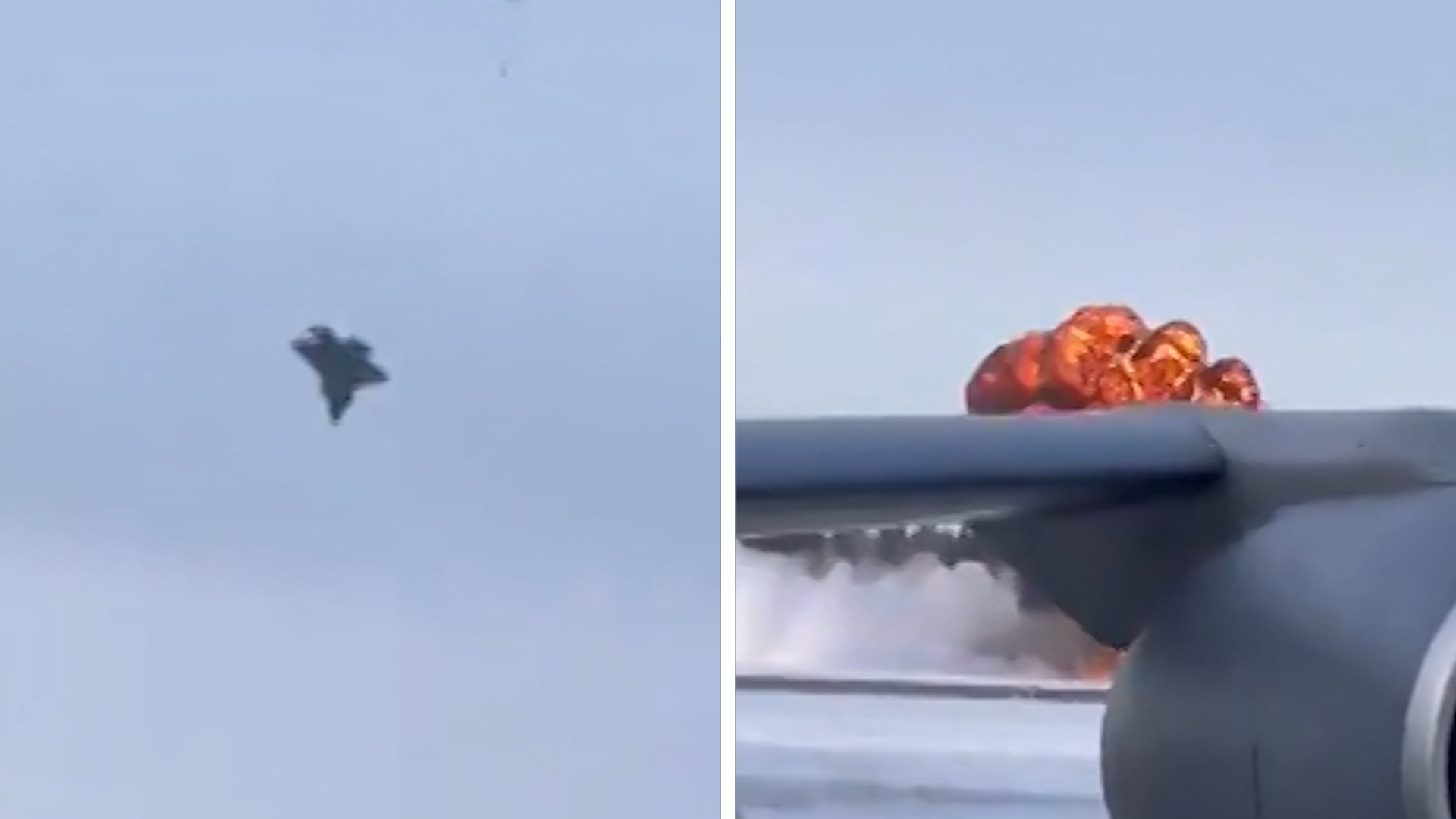
The pilot, following procedures, spent close to an hour working with a team of Lockheed Martin engineers connected by phone. He attempted two touch-and-go maneuvers, both unsuccessful, before the jet entered a steep dive. With the controls unresponsive and the aircraft breaking apart, he was forced to eject. He survived with only minor injuries.
Investigators say the deeper issue lies in maintenance oversight. The servicing equipment, including barrels and carts used to handle the hydraulic fluid, had not been adequately monitored or protected from contamination. The report concluded that the lack of preventive checks allowed water to seep into the system, ultimately leading to the accident. It highlights how even small lapses in handling hazardous materials can cause catastrophic failures in complex fighter aircraft.
This crash also raises broader concerns about the vulnerabilities of advanced military systems when exposed to extreme environments. Automation is designed to support pilots, but in this case, it misinterpreted sensor data, leaving no margin for recovery. The Air Force has since emphasized the need for tighter maintenance controls and updated procedures to prevent frozen contaminants from entering aircraft systems.
While the F-35 program has faced criticism before for its costs and reliability, this incident adds another layer of scrutiny. It shows that cutting-edge technology can still be undone by fundamental maintenance errors, and it serves as a reminder that high-tech solutions rely just as much on the basics of proper oversight and discipline on the ground.


