

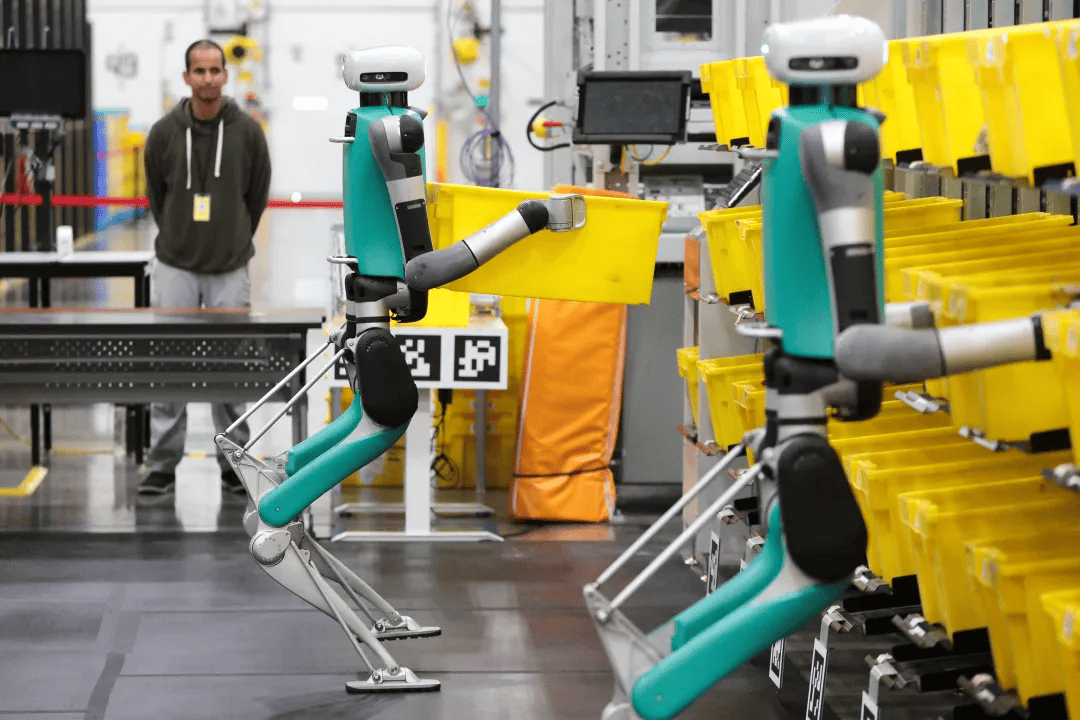
Amazon is reportedly accelerating plans to automate its U.S. operations, a move that could eliminate the need to hire more than 600,000 workers by 2033, according to internal documents and interviews reviewed by The New York Times.
The internal strategy reportedly outlines Amazon’s goal to automate 75% of its operational processes, including warehousing, order fulfillment, and delivery logistics. The company’s robotics division expects that by 2027, automation will replace approximately 160,000 U.S. jobs, saving Amazon around 30 cents per item handled. These changes are forecast to generate about $12.6 billion in savings between 2025 and 2027 alone.
While Amazon’s automation strategy promises efficiency and massive cost reductions, internal communications suggest the company is preparing for public and political backlash over potential job losses. The report notes that executives have considered ways to soften the narrative — including avoiding terms like “automation” and “AI” in favor of phrases such as “advanced technology” and “cobot,” meaning collaborative robot.
Amazon has also explored the idea of engaging more in community projects to reinforce its reputation as a “good corporate citizen,” particularly as it introduces more robotics into its fulfillment network.
In a statement to The Verge, Kelly Nantel, an Amazon spokesperson, disputed the characterization of the leaked strategy, saying the documents “reflect the perspective of just one team” and do not represent the company’s broader hiring plans.
“Leaked documents often paint an incomplete and misleading picture of our plans, and that’s the case here,” Nantel said. “We’re actively hiring at operations facilities across the country and recently announced plans to fill 250,000 seasonal positions for the holidays.”
Amazon also denied that its executives are being instructed to avoid specific terminology when referring to robotics and maintained that its community involvement initiatives are not connected to its automation agenda.
Economists warn that Amazon’s long-term automation ambitions could reshape not only the company’s workforce but the broader U.S. labor market. Daron Acemoglu, Nobel laureate in economic science, told The New York Times that Amazon’s success in automating at scale could have a ripple effect across industries.
“Nobody else has the same incentive as Amazon to find the way to automate,” Acemoglu said. “Once they work out how to do this profitably, it will spread to others, too.”
If Amazon reaches its automation targets, Acemoglu added, “one of the biggest employers in the United States will become a net job destroyer, not a net job creator.”


