

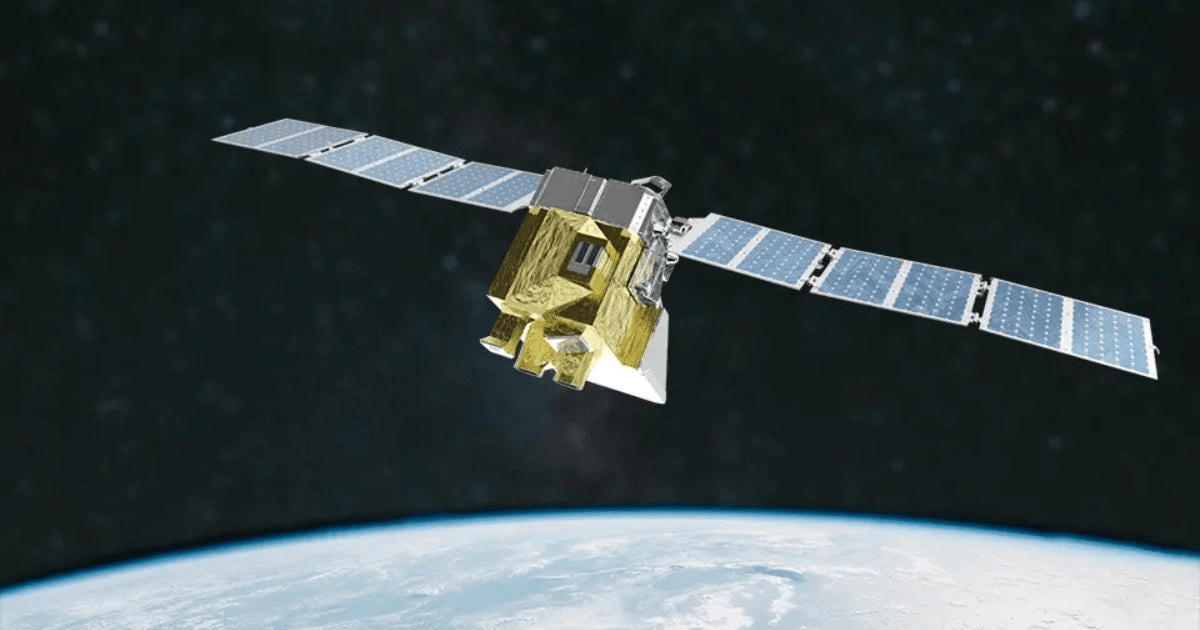
A satellite once hailed as a game-changer in the global effort to track and reduce methane emissions has gone dark. MethaneSAT, a $88 million spacecraft launched in March 2024 aboard a SpaceX rocket, was designed to monitor human-made methane emissions from space with unprecedented accuracy. Less than a year into its expected five-year mission, the satellite has lost power, and its operators, the Environmental Defense Fund (EDF), now fear it may be gone for good.
For two weeks, mission control attempted to re-establish contact with MethaneSAT, but all efforts failed. On Tuesday, the EDF delivered the somber update that the satellite has likely lost power and is “not recoverable.” The exact cause remains unknown, and an investigation is underway to determine what led to the communication breakdown.
This marks a devastating blow to one of the most ambitious and high-profile climate-monitoring efforts in recent years. Backed by Google and Jeff Bezos, MethaneSAT had already proven itself capable of detecting methane emissions from space and tracing them to individual facilities. Its advanced spectrometer instruments delivered exact data that, according to EDF chief scientist Steven Hamburg, was nothing short of groundbreaking.
“We set out in this first year to demonstrate what was possible,” Hamburg told the New York Times. “That we could think about direct measurement of greenhouse gases in a way that we had never been able to do before. And I think we demonstrated that.”
Methane, though it lingers in the atmosphere for a shorter time than carbon dioxide, is a far more potent greenhouse gas, trapping 28 times more heat than CO?. It’s also infamously elusive. Due to its tendency to leak during drilling, storage, and transportation, methane emissions are often grossly underreported. This is especially true among oil and gas companies, which may have financial incentives to downplay or ignore their actual output.
MethaneSAT aimed to change that. By offering publicly accessible data and pinpointing exact sources of emissions, it promised to hold polluters accountable like never before. In its brief operational window, the satellite exposed major leaks from oil and gas facilities in North America and Central Asia, revealing levels of methane far beyond industry estimates.
While the mission ended abruptly, the impact of MethaneSAT is still unfolding. The EDF has pledged to continue processing the data collected before the loss of contact and will release further findings in the months ahead.
“The mission has been a remarkable success in terms of scientific and technological accomplishment,” the organization said in its statement, “and for its lasting influence on both industry and regulators worldwide.”


