

Blink once, and you might miss the debut of another AI breakthrough. Every week seems to bring a new app for vibe coding, a smarter image generator, or an upgraded version of an existing chatbot. Big Tech’s race to out-innovate itself has never been faster. But while fresh features steal the spotlight, some of the best tools have quietly evolved in the background. One of them is ChatGPT Canvas, a workspace that has matured into an essential part of modern creative and coding workflows.
ChatGPT Canvas first appeared over a year ago as an experimental editor built into ChatGPT. It offered an early taste of interactive co-editing, but now, powered by ChatGPT-5 and enhanced memory, it has become something far more personal and refined.
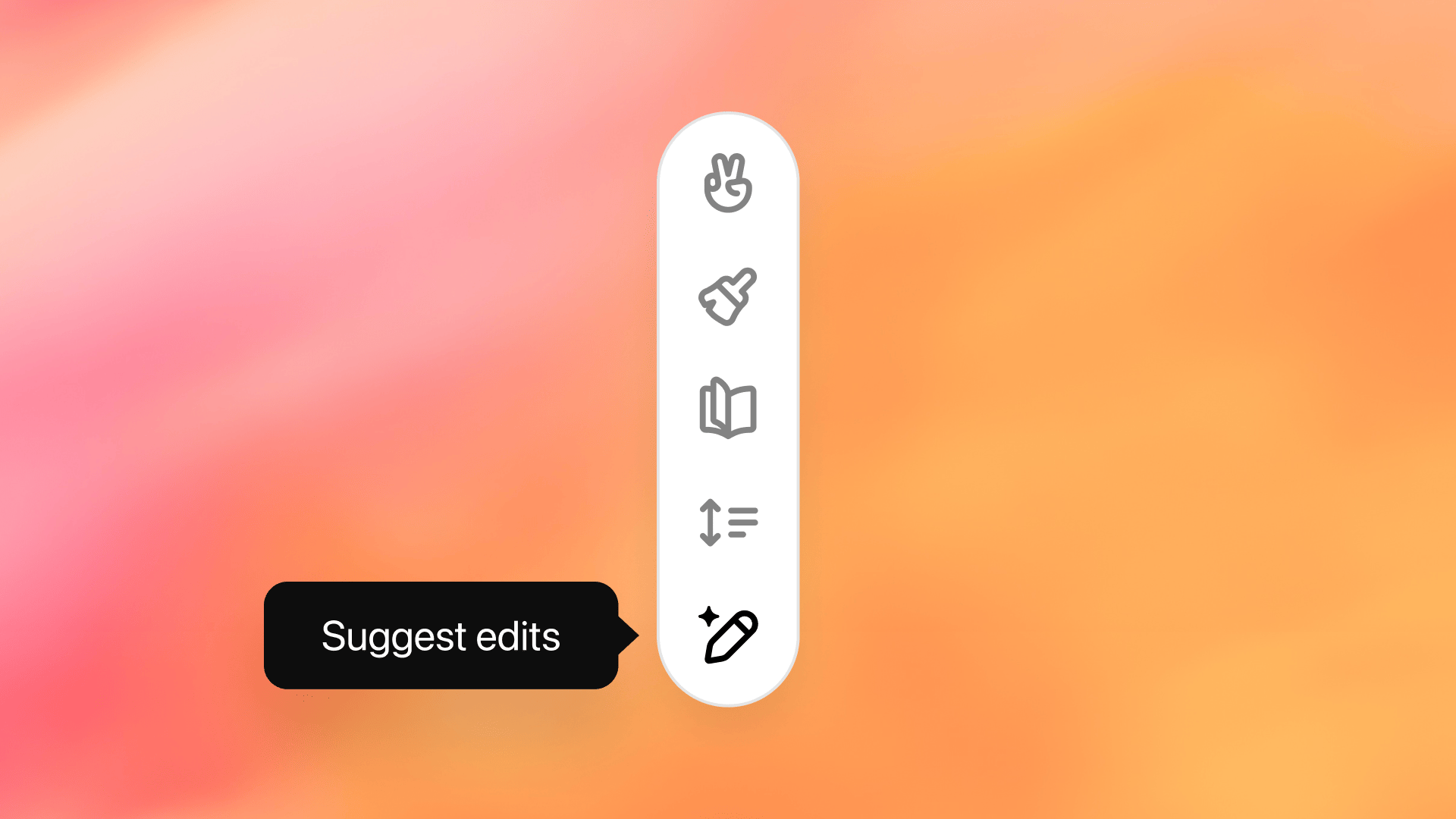
Anyone who has ever asked ChatGPT to “shorten this paragraph” or “fix this section” knows the frustration of losing the parts that worked. Canvas solves that problem elegantly. Instead of rewriting your entire text, it edits only what you highlight, keeping the rest of your work untouched. It’s no longer a back-and-forth of endless prompts but a smooth, shared editing experience almost like sitting beside a thoughtful co-writer who respects your voice.
As one reviewer noted, “Canvas transforms ChatGPT from a chat window into a live editing workspace.” That transformation is what now makes it a crucial companion for vibe coders and creators alike.
Vibe coding once a niche concept has exploded into mainstream creative culture. It blends programming with design intuition and aesthetic flow. And Canvas has become the perfect platform for it.
Users can drop a block of code or a draft of a blog post directly into the Canvas editor. Instead of juggling text windows and command prompts, they simply highlight a section and describe what they want changed. The AI makes those exact edits in place, preserving the rest of the file. You can ask it to change fonts, adjust color schemes, add narrative flair, or introduce an “element of risk” and ChatGPT updates only that portion.
Watching Canvas work feels different from a standard chat exchange. You see the logic shift, the code restructure, or the story evolve right in front of you. For coders, it’s like having an ultra-fast senior developer reviewing your pull request in real time. For writers, it’s a precise editor that never loses context or tone.
One of ChatGPT’s biggest frustrations used to be its tendency to overwrite, a small tweak request could trigger a full-scale rewrite. Canvas eliminates that by keeping edits targeted and visible. It gives users full creative control, with the AI acting as a collaborator rather than a replacement.
The feature now supports structured projects too, meaning it can keep multiple files open, track variable names, and update dependencies across an entire workspace. It understands file context, maintaining consistency between different sections of your project. Writers get the same advantage: a living, breathing editor that understands tone, pacing, and rhythm while preserving the writer’s distinct voice.
As Tom’s Guide put it, “Once you try editing side by side instead of through prompts, plain chat will feel outdated.”
Canvas has grown from an experimental tool into a polished creative environment. It’s more intuitive, faster, and visually grounded than ever before. Whether you’re coding an app, refining a story, or experimenting with new ideas, Canvas now feels like the place where human creativity and AI precision truly meet.
What sets it apart isn’t just functionality, it’s the way it changes how you work. Instead of dictating edits through a chat box, you collaborate visually, in context, with instant feedback and total control. For vibe coders, this means smoother creative flow. For writers, it means an editing partner who knows when to help and when to stay out of the way.
Once a quiet feature tucked inside ChatGPT, Canvas has matured into something much bigger: a workspace that feels alive, adaptive, and built for the creative speed of 2025. In an era defined by new AI tools appearing every week, Canvas proves that the best innovations aren’t always the newest they’re the ones that evolve to understand you better.


