

A recent feature in ChatGPT allowed users to share conversations via unique links. But what began as a tool for transparency and collaboration ended up unintentionally exposing personal information to the public web. Just hours after media coverage drew attention to the issue, OpenAI confirmed it had quietly disabled the feature that allowed shared ChatGPT links to become searchable via platforms like Google and Bing.
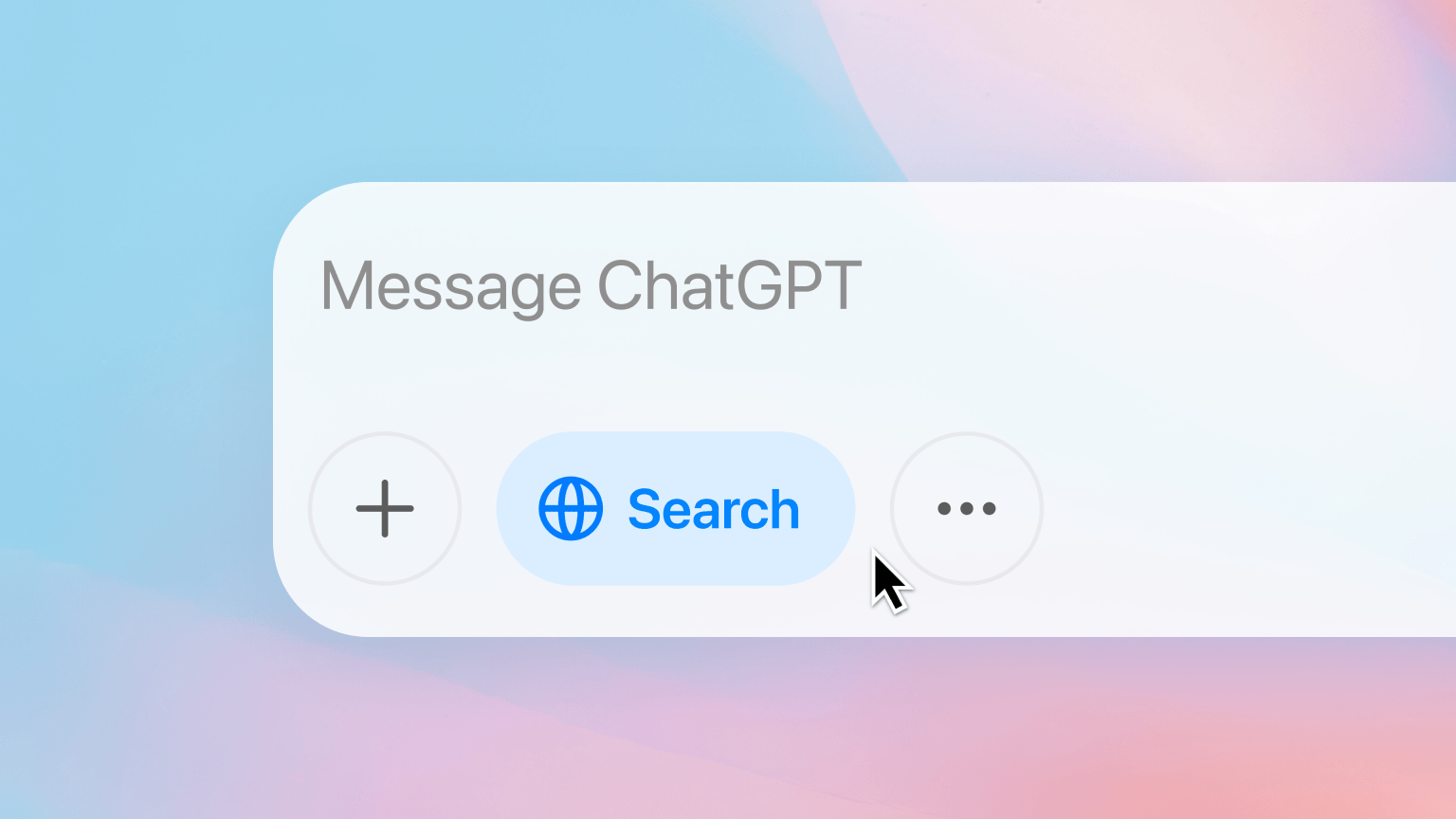
OpenAI had been running an experimental feature where conversations shared by users through a “/share” URL could be indexed by search engines if users chose to make them discoverable. These links were only created when users actively clicked both a “share” and “create link” button. Users could then opt to make the link searchable. In theory, this gave people full control over their content. In practice, many didn’t realize that enabling discoverability could lead to their conversations being scraped and indexed by search engines and in some cases, revealing more than they intended.
In fact, a simple domain-specific search for “https://chatgpt.com/share” on Google or Bing surfaced a digital breadcrumb trail into people’s lives. One shared chat showed someone asking the AI to help rewrite their resume for a job application, a chat that, when cross-referenced with clues in the conversation, led to the user’s LinkedIn profile. Others ranged from mundane prompts about bathroom renovations and astrophysics explanations to bizarre hypotheticals like microwaving a metal fork and summoning demons via kitchen appliances the latter resulting in the AI composing a satirical guide titled “How to Use a Microwave Without Summoning Satan: A Beginner’s Guide.”
Although ChatGPT does not make conversations public by default, this episode underscores how digital sharing can easily backfire. The shared URLs technically remained private until users enabled the “discoverable” toggle, but many didn’t foresee that search engines would treat these as public content indexing and displaying them like any other webpage.
OpenAI later acknowledged the issue, calling the feature a short-lived test. “ChatGPT chats are not public unless you choose to share them,” an OpenAI spokesperson told TechCrunch. “We’ve been testing ways to make it easier to share helpful conversations, while keeping users in control, and we recently ended an experiment to have chats appear in search engine results if you explicitly opted in when sharing.” They cited that the feature “introduced too many opportunities for folks to accidentally share things they didn’t intend to.”
The situation mirrors past privacy missteps by other tech giants. Google, for instance, allows public indexing of Google Drive documents only when a user actively sets a file to “anyone with the link can view” and the link appears on a public site. But as history has shown, many users don’t fully grasp the public-facing implications of such settings until it’s too late.
While OpenAI’s intentions may have been rooted in enhancing collaboration and transparency, the misstep demonstrates how even opt-in features can create privacy risks especially when discoverability is involved.
A Google spokesperson, when asked about this indexing, made the company’s role clear: “Neither Google nor any other search engine controls what pages are made public on the web. Publishers of these pages have full control over whether they are indexed by search engines.”


