

Japanese billionaire Yusaku Maezawa, best known as the founder of Zozotown and for his high-profile space tourism plans, is preparing to take delivery of an extraordinary hydrogen-powered superyacht called Project Cosmos. Built by German shipyard Lürssen and styled by designer Marc Newson, this vessel aims to redefine sustainable luxury travel while also surpassing Bill Gates’ own hydrogen yacht in both range and efficiency.
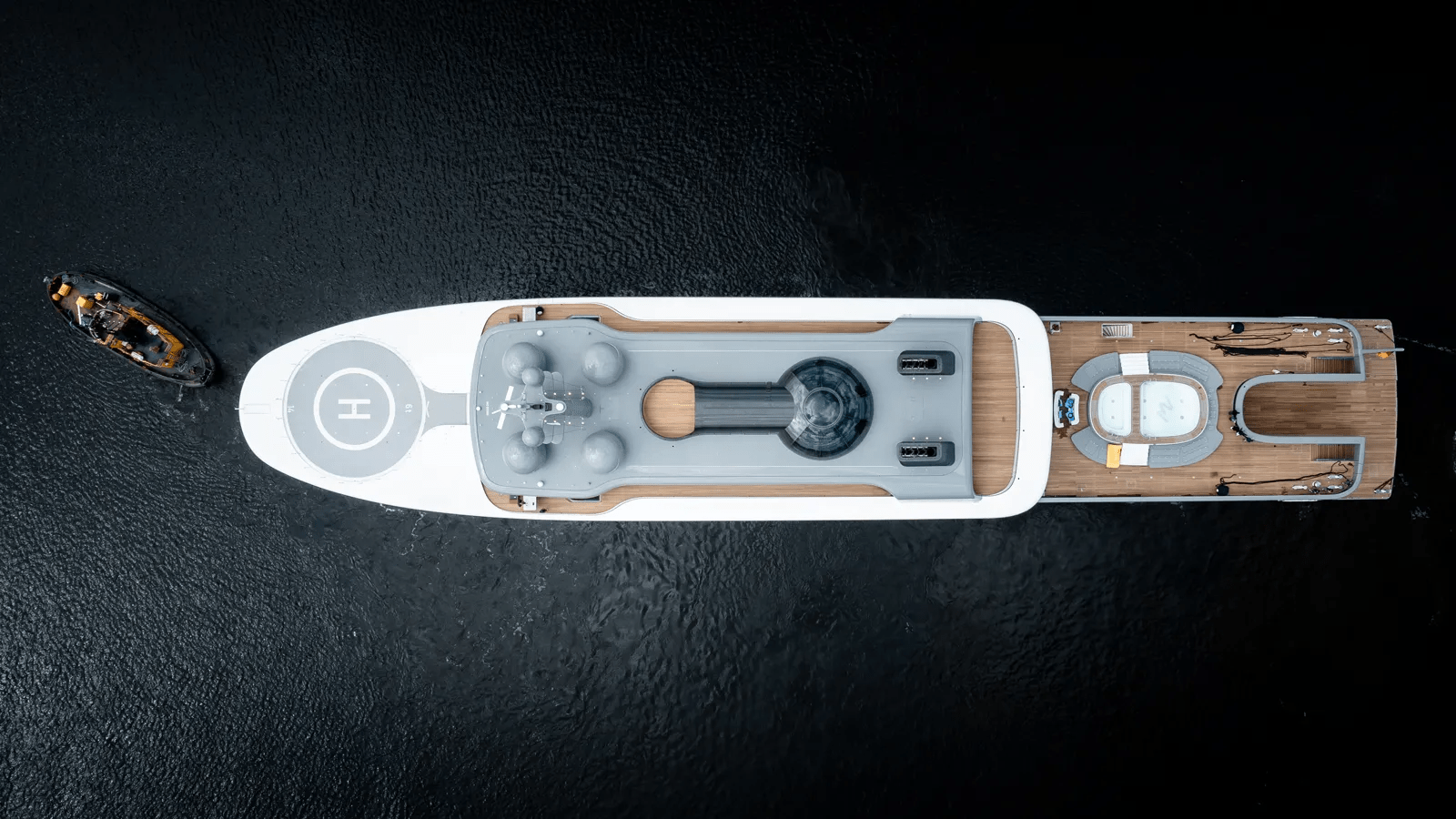
Project Cosmos measures about 375 feet in length and makes use of a next-generation methanol-to-hydrogen fuel-cell system developed with Freudenberg e-Power Systems. Instead of storing large amounts of hydrogen directly, the yacht carries liquid methanol in tanks that fit easily within the structure. This methanol is then reformed into hydrogen on demand, which powers fuel cells to deliver electricity for propulsion as well as onboard living systems. The result is a setup that can run silently for about 1,000 nautical miles or maintain hotel operations such as air conditioning, lighting, and kitchens for up to two weeks without producing emissions other than clean water vapor.
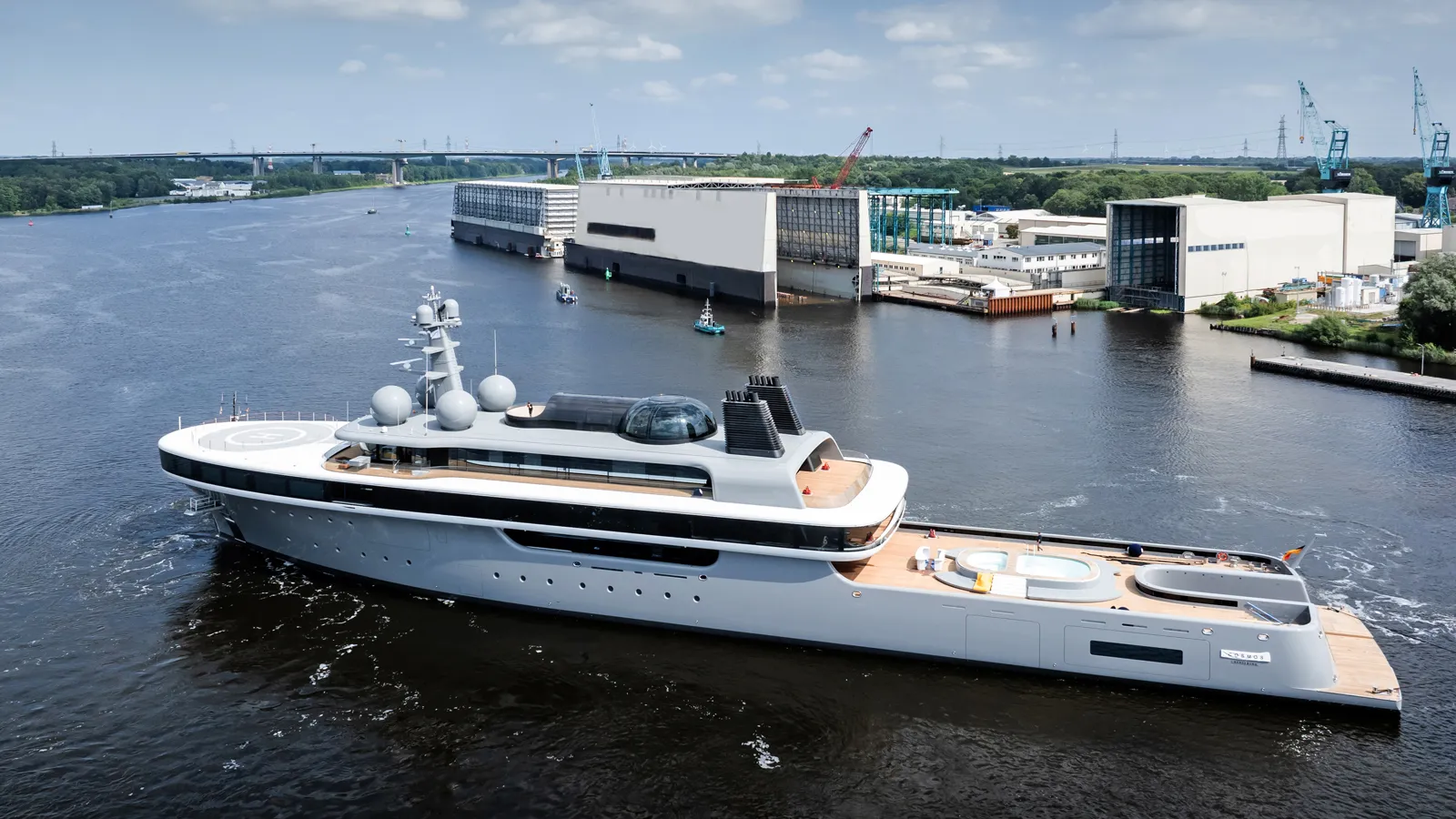
Safety and redundancy are critical to the design. The fuel cells are part of a hybrid system that also incorporates batteries and backup generators. Reforming methanol when needed avoids the complications of cryogenic hydrogen storage, while still meeting the performance expectations of a luxury yacht. Certification has already been secured through RINA and DNV GL, with the concept emerging from the Pa-X-ell research project, a collaboration between Lürssen, Freudenberg, and German aerospace partners to explore marine fuel-cell applications.
This approach offers advantages over earlier hydrogen-powered vessels. Bill Gates’ Breakthrough yacht relies on liquid hydrogen storage, which requires extensive insulation and safety precautions. By contrast, Project Cosmos demonstrates how methanol reforming can provide a practical bridge to zero-emission cruising, using existing fuel infrastructure and reducing the footprint of energy systems. It allows engineers to integrate sustainability without compromising space or aesthetics.
For those working in marine engineering, the project highlights how alternative fuel architectures can scale beyond experimental craft into full-sized, luxury vessels. It also shows how combining hybrid design, smart fuel handling, and modern safety approvals can bring hydrogen power closer to mainstream adoption. With its mix of efficiency, silence, and endurance, Project Cosmos is not only a symbol of wealth but also a real-world case study in the future of sustainable maritime design.


