

Long regarded as one of the world’s largest polluters, China is now making headlines for turning the tide on its environmental record. In a bold display of its renewable energy ambitions, Mingyang Smart Energy installed the world’s largest offshore wind turbine in August 2024. Towering at 242 meters with 128-meter blades, this engineering marvel is capable of generating electricity for up to 96,000 homes per year.
But along with its groundbreaking promise comes an unexpected twist: the sheer size of the turbine is altering local microclimates, prompting researchers to assess the broader environmental effects of such monumental structures.
Formally launched on August 28, 2024, in Hainan, a coastal province in the South China Sea, the turbine’s installation was no accident. The site was strategically chosen for its optimal wind speeds and distance from the continental shelf, two conditions that enhance the turbine’s efficiency. While a 16 MW turbine was previously celebrated as the largest in the world, this new 20 MW giant has easily surpassed that milestone.
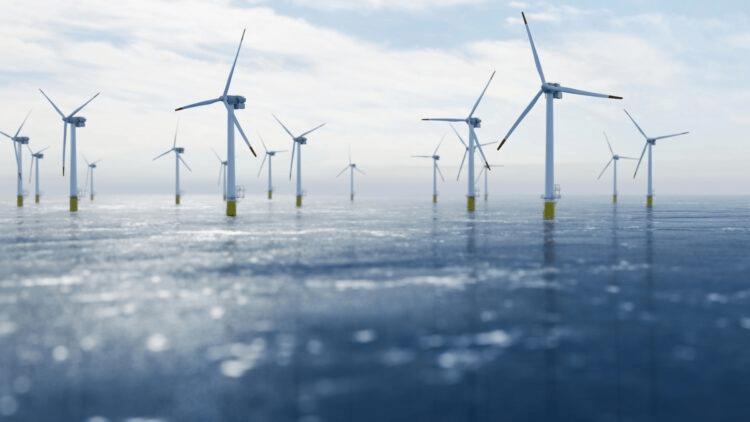
As EcoNews reported, this technological leap forward captures more wind energy than ever before, thanks to blades that span more than two football fields in area. The implications are significant: fewer turbines can now generate more energy, reducing both environmental and spatial footprints.
However, the triumph is not without complication. While it’s widely accepted that wind turbines affect airflow, the magnitude of this installation has pushed those changes to a new level. Scientists are now closely monitoring shifts in regional wind patterns and temperature distributions around the turbine — signs of emerging microclimate alterations.
These environmental changes, though localized for now, raise critical questions: Could installations of this scale unintentionally disrupt regional weather systems? What might this mean for coastal climates, bird migration paths, or marine biodiversity?
According to Mingyang’s official website, the turbine was “specifically designed to endure typhoons,” capable of withstanding wind speeds up to 79.8 m/s (Memija, 2024). That resilience could make it a global favorite in wind-rich and storm-prone regions.
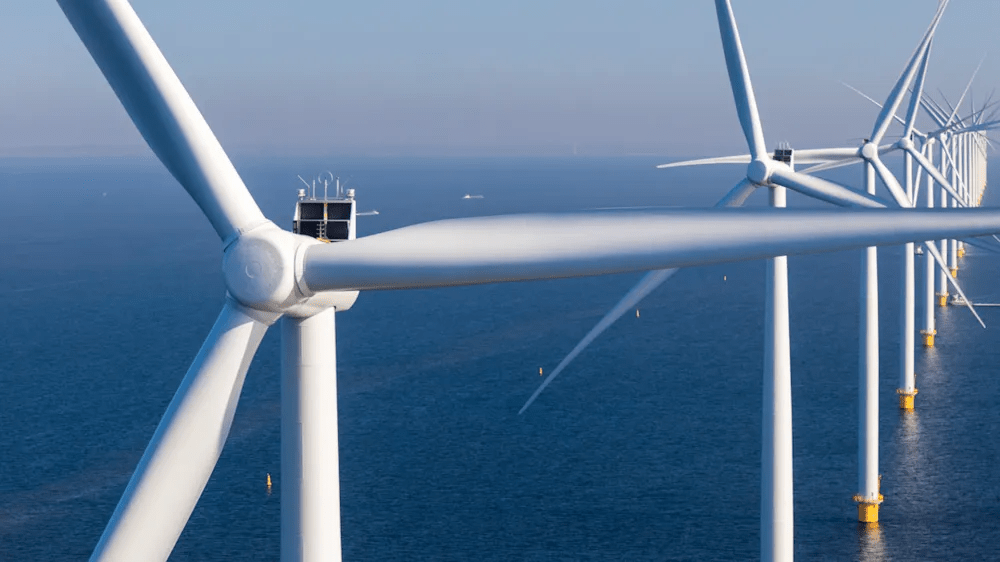
The turbine’s success showcases China’s potential to lead the green transition and reinforces the global importance of renewable energy. It also validates wind power’s promise: a readily available, abundant resource that comes without the harmful legacy of fossil fuels.
“The success of the Mingyang turbine is a testament and evidence to humans striving to produce resources that are good for the Earth,” the article noted, pointing to its broader benefits for environmental health, energy equity, and economic stability.
Yet, as history often reminds us, every innovation comes with trade-offs. While this mega-turbine may reduce our reliance on fossil fuels or even rival nuclear power, it brings to light the necessity for in-depth environmental assessments before widespread deployment.
“The concept is straightforward: decarbonise and, as we have shown in New York, do so over the sea if there is no room” (Garcia, 2024).


