

A Miami jury has hit Tesla with a massive $243 million verdict after a 2019 crash in Key Largo, and the case turned on data the company claimed it didn’t have. The twist came when a well-known Tesla hacker, @greentheonly, managed to recover the missing information from the car’s Autopilot computer while sitting in a Starbucks near the Miami airport, according to Tesla North.
That data, known as a “collision snapshot,” revealed that the car’s cameras had detected the pedestrians and plotted a path toward them just before the accident. In other words, the information Tesla insisted was gone had actually been captured and sent to the company’s servers almost instantly. Reporting by the Washington Post showed that this evidence directly contradicted Tesla’s courtroom stance.
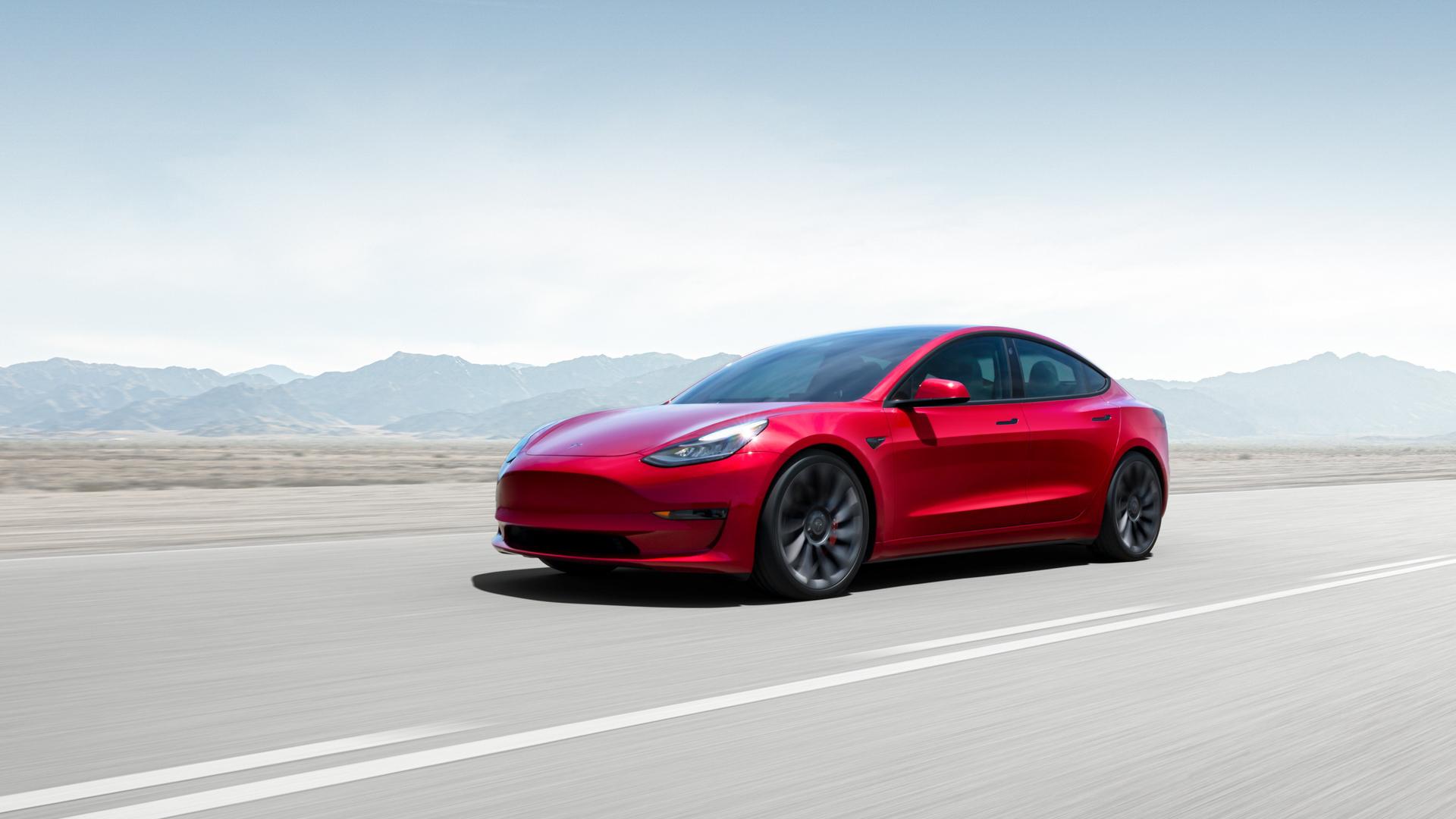
Tesla argued throughout the trial that the driver, George McGee, was at fault because he admitted to being distracted by his phone. The company maintained that Autopilot was not to blame, describing the situation as “clumsy” rather than deceptive. But once the jury saw the hacker’s findings, the narrative shifted. As the Associated Press noted, jurors ultimately held Tesla 33 percent responsible, awarding $43 million in compensatory damages and another $200 million in punitive damages.
The case has raised larger questions about how Tesla handles crash data. Families of the victims had turned down a $60 million settlement because they wanted the facts to come out in court. Their decision paid off, not just in terms of the verdict but also in forcing Tesla’s internal practices into the spotlight. A report from Autoweek pointed out that the verdict challenges Tesla’s long-standing claim that drivers bear full responsibility whenever Autopilot is engaged.
Tesla isn’t taking the loss quietly. The company has already filed motions for a new trial and plans to appeal, warning that such a huge penalty could discourage future safety innovations. Still, the hacker’s role in uncovering hidden data may leave a lasting mark on how courts, regulators, and the public view transparency in self-driving technology.
In short, what started as a tragic accident has become a landmark case for the age of connected cars—one that shows just how much difference a few lines of recovered code can make in the courtroom.


