

President Donald Trump has sharpened his stance on trade with China, this time targeting the rare-earth magnet industry. Speaking during a meeting with South Korean President Lee Jae Myung at the Oval Office, Trump said that if Beijing refuses to supply these materials, Washington could impose a 200 percent tariff. The warning carries weight since China is responsible for around 90 percent of global rare-earth magnet production, according to Reuters.
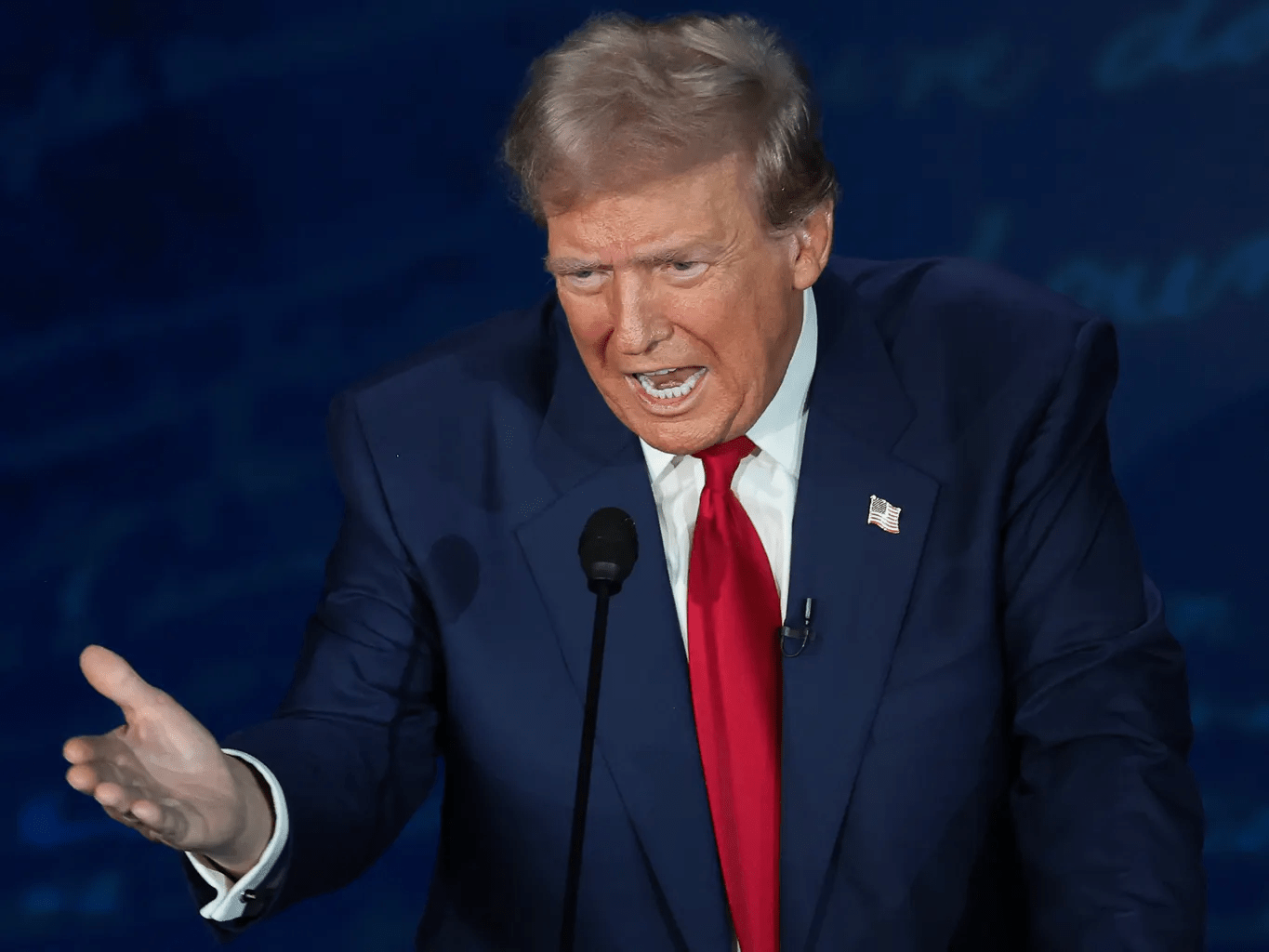
Trump described tariffs as his most powerful tool, suggesting they could be more disruptive than the rare-earth supply itself. His remarks come amid rising global anxiety about the future of these minerals, which are critical in manufacturing electric vehicles, smartphones, military equipment, and renewable energy systems.
The issue has been building for months. China has previously restricted exports of certain minerals, a move seen as retaliation for U.S. tariffs on Chinese goods. Western companies have already reported production delays and higher costs due to the supply bottleneck, with the automotive and electronics industries among the hardest hit.
Reports indicate that alternative sources in the U.S., Australia, and Europe are still years from reaching significant scale. That leaves global supply chains vulnerable and gives Beijing leverage in trade negotiations. Trump’s comments appear aimed at breaking that dependency, though his rhetoric has raised concerns about further straining an already tense economic relationship.
If the tariff threat becomes reality, American manufacturers could face higher costs in the short term. Some experts believe it might also spur investment in domestic mining and processing, accelerating efforts to secure alternative sources. Others warn it could complicate major international deals, including Boeing aircraft sales that rely on rare-earth components.


