

A Connecticut-based aerospace giant, Pratt & Whitney, has been awarded a new contract to produce the latest batch of its powerful F135 engines, which drive the F-35 Lightning II.
The F135 engine, which produces more than 40,000 pounds of thrust, is widely recognized for its reliability, readiness, and combat-proven performance. Designed with fifth-generation propulsion capabilities, the system provides stealth, efficiency, and raw power all of which give pilots an edge in high-stakes missions.
Christopher K. Johnson, vice president for the F135 program at Pratt & Whitney, emphasized the engine’s role in securing mission success: “The combat-proven F135 engine delivers low-observability to ensure operators can accomplish their most critical missions.” He added, “The F135 is ultimately an investment in mission assurance, providing the warfighters of today and tomorrow the technological edge to fight and win.”
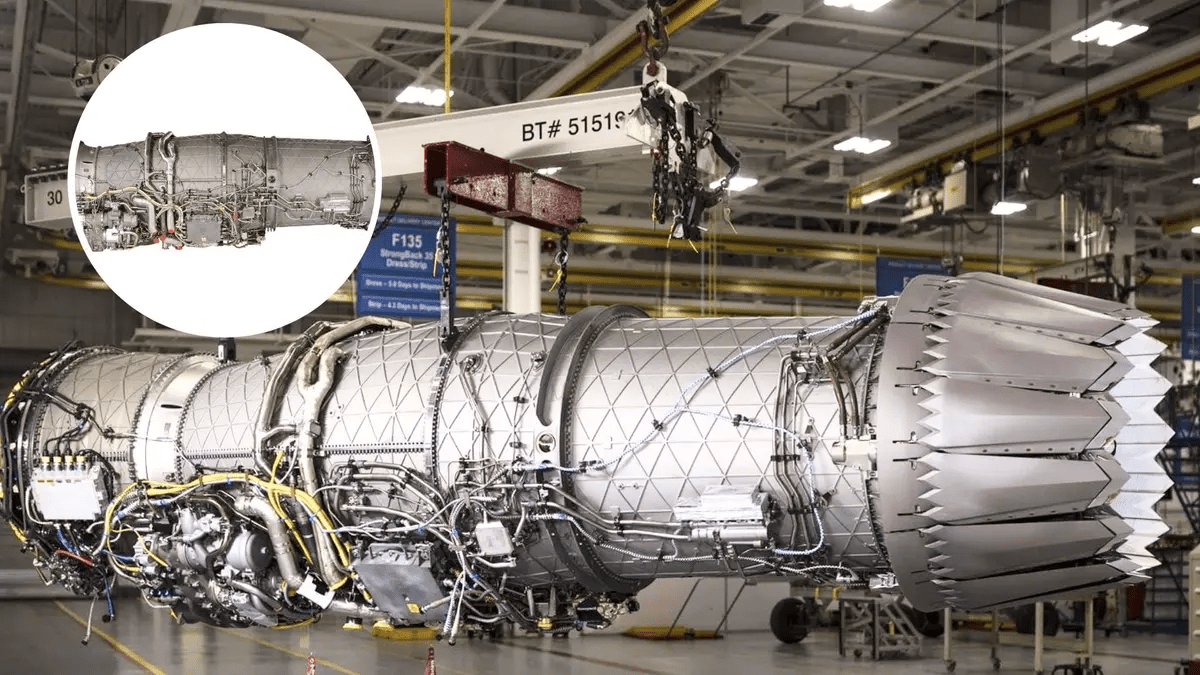
The F135’s advanced attributes including low-observable design, superior thermal management, and state-of-the-art integrated engine control distinguish it from earlier fourth-generation engines. These features allow the F-35 to conduct operations in heavily defended, anti-access/area denial (A2/AD) environments, which are central to modern defense strategies.
Johnson underscored the long-term value of the program: “This contract will enable our team to continue providing this critical capability to help the U.S. and its allies maintain air superiority for decades to come.”
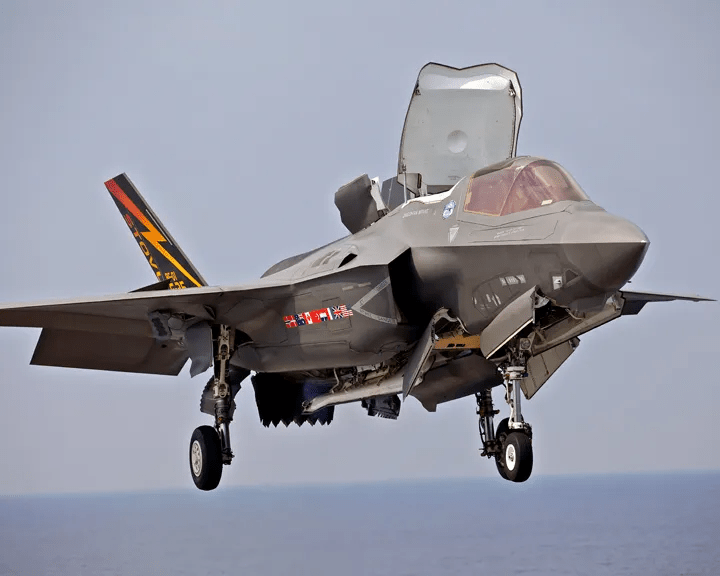
Beyond its battlefield performance, the F135 program plays a significant role in the U.S. economy. It currently sustains more than 67,000 domestic jobs, supports 240 suppliers across the nation, and contributed over $9.1 billion in 2024 alone. Pratt & Whitney has already delivered more than 1,300 F135 engines worldwide, supporting a network of 20 allied nations.
The company also highlights the engine’s maintenance-friendly design, digital health monitoring system, and cost-efficient sustainment network all of which keep operational costs in check while ensuring fleet readiness. Since its first flight in 2006, the F135 has consistently demonstrated high mission-capability rates, making it, in the company’s words, “the heartbeat of the F-35.”


