

With a powerful and ambitious new project, China has stunned the renewable energy world by constructing the most potent hydroelectric power plant in existence, one that not only towers at the height of the Eiffel Tower but also promises to deliver a staggering 11 billion kilowatt-hours of electricity annually.
Perched high on the windswept Tibetan plateau, the newly unveiled hydroelectric dam is nothing short of monumental. Rising over 300 meters, roughly equal in height to the Eiffel Tower, it represents China’s latest and most audacious stride in sustainable infrastructure. While its massive output is impressive, its symbolism may be even more powerful: a direct challenge to the supremacy of solar and wind energy, which have dominated headlines but often fall short in reliability and consistency.
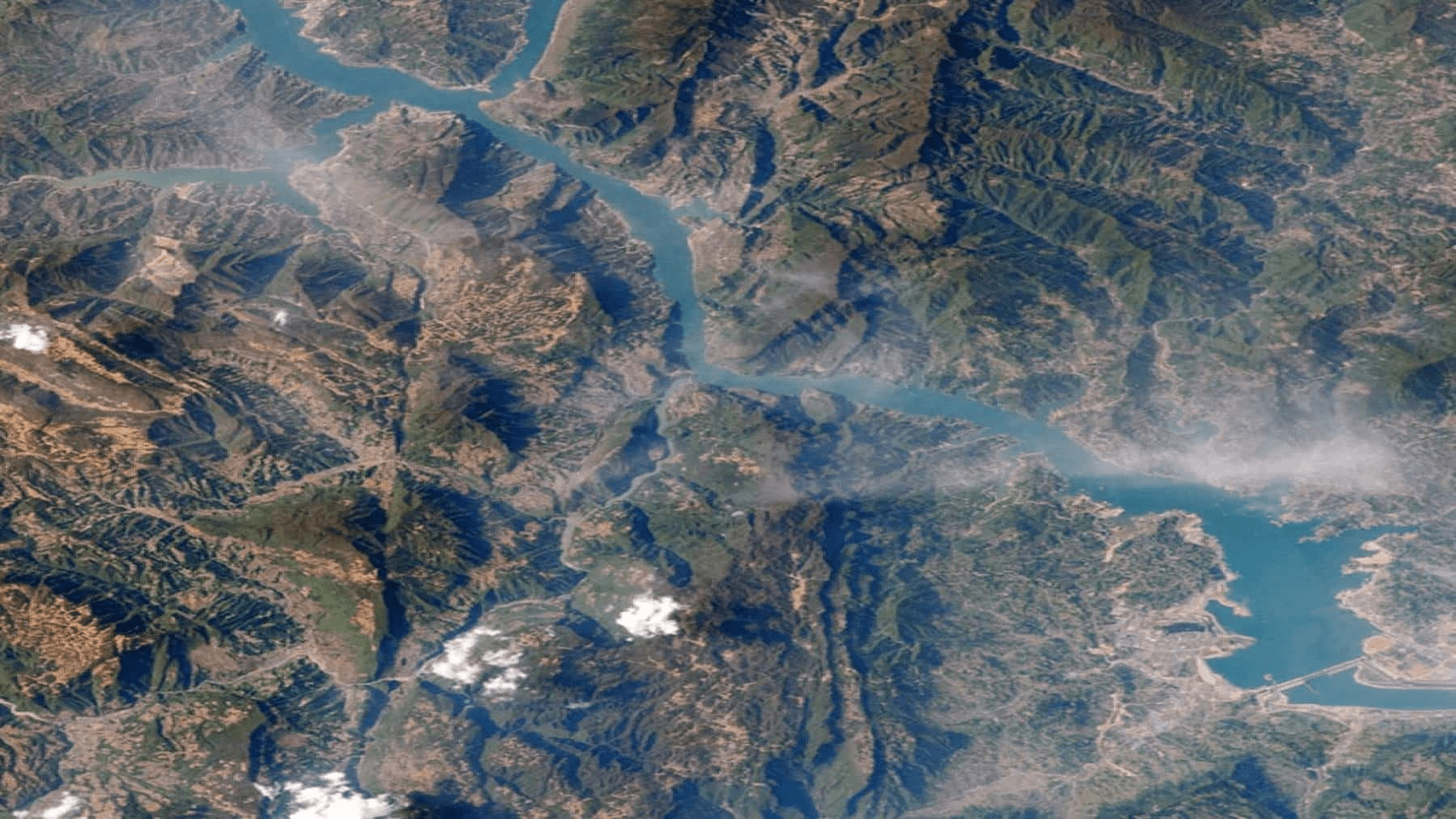
The dam’s projected annual energy yield of 11 billion kWh surpasses the total solar or wind output of some entire countries. By capitalizing on high-altitude geography, China has managed to unlock higher water pressure, resulting in more efficient turbine performance. One senior engineer associated with the project described it simply but profoundly: “This project is a milestone.”
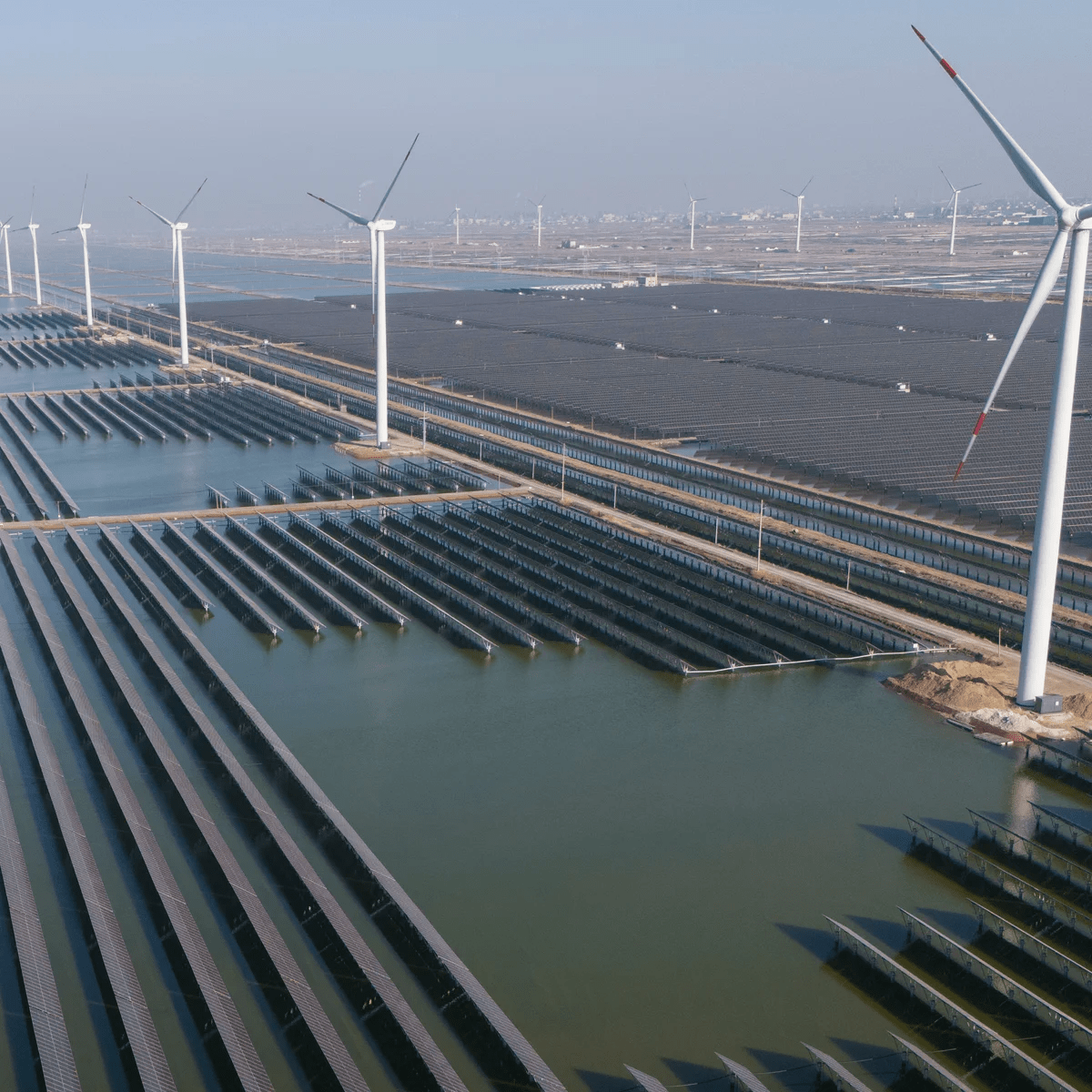
Unlike wind and solar technologies, which depend heavily on weather and daylight, hydropower offers uninterrupted energy generation. This reliability makes it an ideal candidate for national grids that require consistent power delivery without relying on backup sources. In light of this, Chinese officials have begun scaling back on solar panels and wind farms that operate at sub-optimal capacity, particularly in regions where the output doesn’t justify the infrastructure costs. However, authorities emphasize that this move is not a dismissal of wind or solar power but rather a strategic “rebalancing” to better leverage hydropower’s strengths.
Building such a massive plant at an extreme altitude was no small task. Engineers and laborers battled harsh temperatures, low oxygen levels, and perilous terrain throughout the project. Where traditional trucks couldn’t go, helicopters had to ferry materials. Entire temporary cities were erected to support the thousands of workers involved, and medical bases were put in place to deal with the high-altitude challenges. The harsh environment that once appeared to be a logistical nightmare was eventually transformed into an asset that allowed engineers to harness nature’s raw power more effectively.
Environmental sensitivity was another critical element of the project. Rather than bulldozing its way to completion, China invested in innovative methods to protect the surrounding ecosystem. From soil restoration efforts to specially designed fish migration routes, every step was taken to ensure that the region’s fragile biodiversity remained intact. The project stands as a testament to the possibility of blending industrial might with ecological mindfulness.
However, replicating this model elsewhere is no easy feat. Countries hoping to follow China’s lead must meet several demanding conditions. First, the right geography is essential: access to strong, fast-moving rivers or highland areas that can deliver sufficient water pressure is non-negotiable. Without these, no hydroelectric plant, no matter how advanced, can reach this scale of productivity. Second, a nation must be willing to invest heavily. Such a project demands billions in capital and a robust, well-coordinated infrastructure effort. Finally, a successful project requires not just technical and financial power, but a government that is environmentally and culturally aware, willing to safeguard natural habitats and address the concerns of local communities throughout the construction process.


