

NASA has taken a major stride in its mission to bring Martian samples back to Earth.
In what could be a defining moment for the Mars Sample Return (MSR) mission, NASA and Northrop Grumman completed a key static fire test on the second-stage rocket motor for the Mars Ascent Propulsion System (MAPS). This test, focused on an upgraded propellant blend, aims to increase the motor’s performance while ensuring it can survive the harsh Martian environment. As the article notes, this isn’t your typical Cape Canaveral launch this rocket must endure “freezing temperatures, punishing g-forces, and red dust storms.”
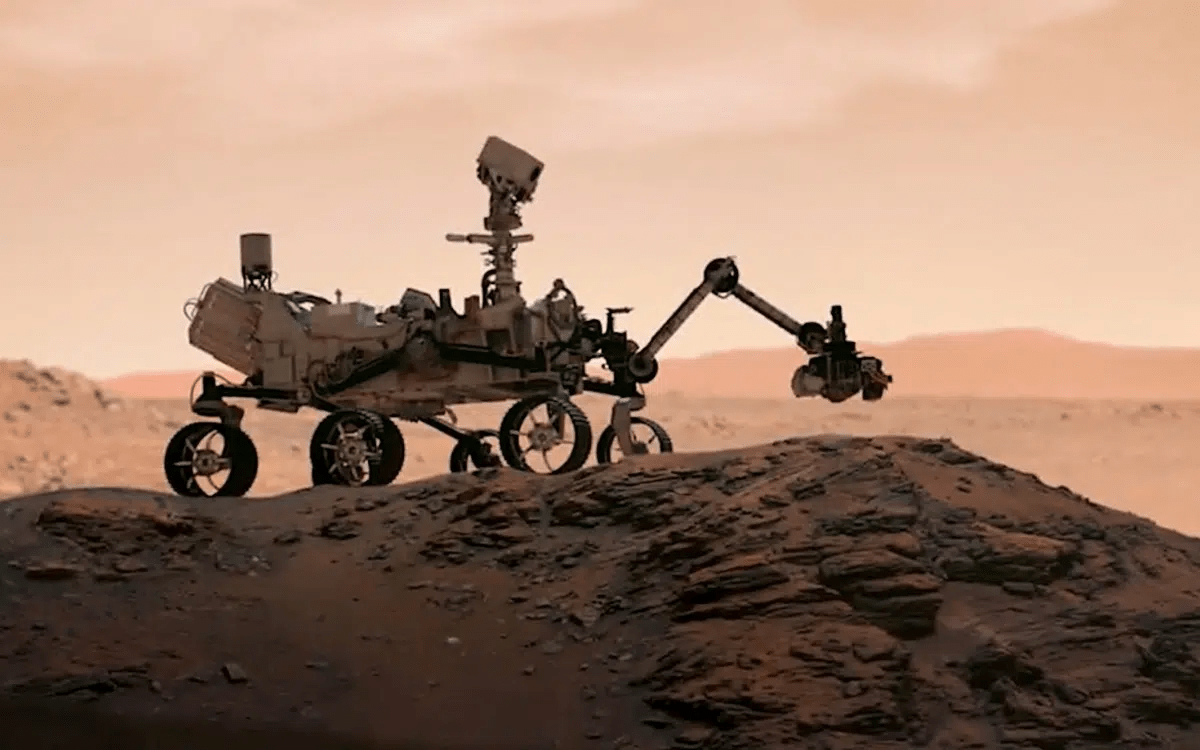
This is the third full-scale test of the motor, but the first to validate its new propellant formulation. According to Northrop Grumman, the motor now incorporates “spaceflight-proven materials” and is nearing a flight-ready stage. When the time comes, the rocket will carry precious sealed sample tubes — collected by the Perseverance rover into Mars orbit. From there, another spacecraft will capture them and begin the long journey back to Earth.
NASA officials have called this milestone the first time a propulsion system has been developed specifically for launch from a planet other than the Moon.
Despite the success of this test, much remains to be proven. Engineers still need to demonstrate the system’s resilience against Mars’ brutal conditions, including the physical strain of liftoff and temperature extremes. And while Northrop Grumman’s motor is gaining momentum, NASA hasn’t yet announced which contractor will build the full ascent vehicle. Lockheed Martin is still in the running, proposing a more cost-efficient alternative.
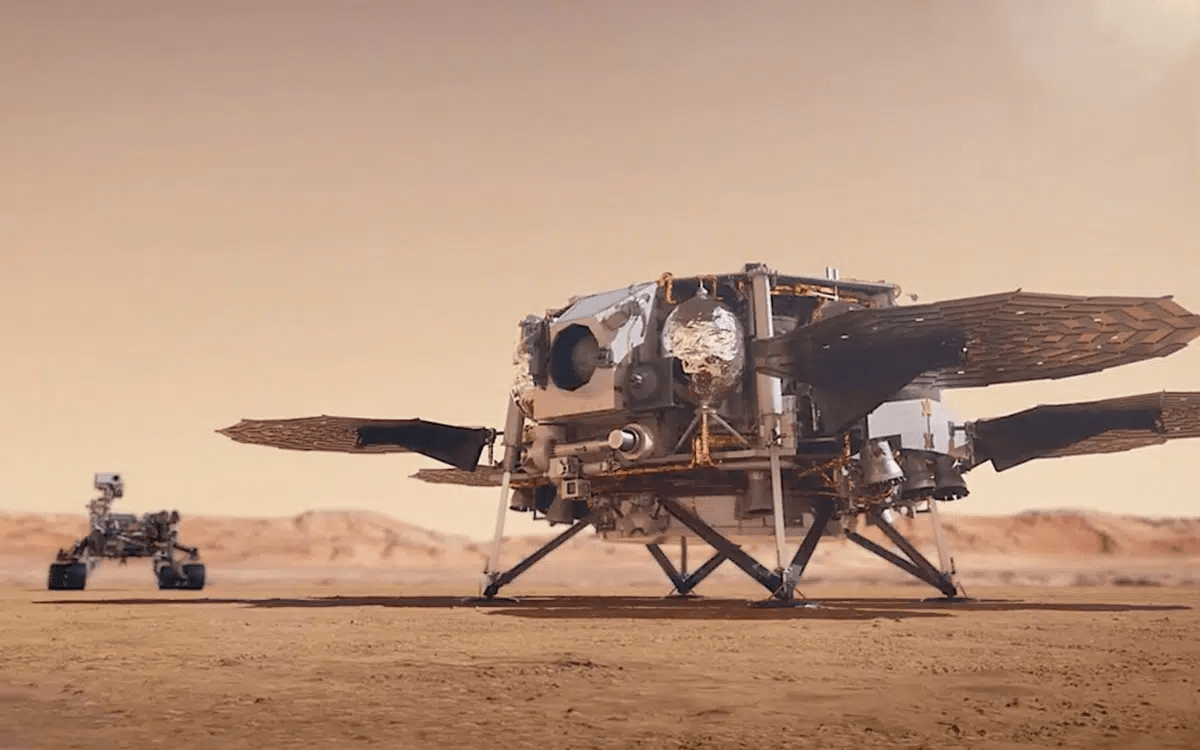
NASA is expected to finalize its mission architecture including key hardware selections by late 2026. However, the full Mars Sample Return mission won’t likely wrap up until the 2040s, meaning this is a long-term investment in humanity’s spacefaring future.


 mission, NASA and Northrop Grumman completed a key static fire test on the second-stage rocket motor for the Mars Ascent Propulsion System (MAPS). This test, focused […]&media=https://wonderfulengineering.com/wp-content/uploads/2025/07/image-245.png)