

In a rapidly evolving semiconductor landscape dominated by AI-driven demand, Samsung, once a leader in memory technology, is now grappling with significant financial setbacks. The company’s semiconductor and HBM (High Bandwidth Memory) divisions are posting operating losses. Among the most costly of those missteps, according to recent Korean media reports, was Samsung’s rejection of a long-term strategic partnership proposed by NVIDIA CEO Jensen Huang.
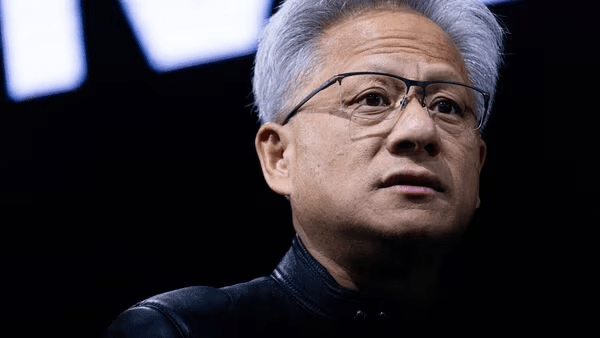
The story begins years before the AI boom reached today’s fever pitch. As NVIDIA began to foresee the critical role HBM would play in powering future AI workloads, Jensen Huang reached out to Samsung, the then-undisputed leader in memory technologies. The proposed deal was ambitious: a joint venture in HBM development, collaboration with Samsung’s foundry services, and co-engineering support for NVIDIA’s CUDA ecosystem.
However, Samsung’s leadership at the time reportedly declined the offer, adopting a short-sighted view of HBM’s potential and showing little appetite for a long-term alliance. Huang later remarked that “no one at Samsung was ready” to engage in a deep collaboration. In hindsight, had they known NVIDIA would become a $4 trillion market cap powerhouse, things might have played out differently.
Instead, NVIDIA turned to SK hynix, another major Korean memory manufacturer. The result was a deeply integrated and ongoing partnership that now places SK hynix at the forefront of the HBM space. Today, SK hynix supplies HBM3, HBM3E, and is expected to play a leading role in HBM4 production for NVIDIA—products that are critical in AI GPU performance. This alliance has driven huge revenue growth for SK hynix while diminishing Samsung’s long-held dominance in the memory sector.
The ripple effects are profound. By declining Huang’s proposal, Samsung not only lost a chance to lead the AI hardware frontier but also ceded ground to local competitors and allowed TSMC to further consolidate its dominance in chip manufacturing. Analysts believe that had Samsung aligned with NVIDIA early on, its product ecosystem might be far more central to today’s AI infrastructure, potentially challenging the market monopolies of both SK hynix and TSMC.
This isn’t the first time industry leaders have misjudged NVIDIA’s trajectory. Even SoftBank CEO Masayoshi Son once sold off a massive stake in the company, an error that reportedly cost him hundreds of billions in potential gains.
Predicting the rise of Jensen Huang’s Team Green has proven to be a high-stakes gamble, and Samsung’s miscalculation is just another reminder of the cost of underestimating AI’s explosive momentum.


 divisions are posting operating losses. Among the most costly of those missteps, according to recent Korean media reports, was Samsung’s rejection of a […]&media=https://wonderfulengineering.com/wp-content/uploads/2025/07/image-314.png)