

More than 80 people were killed by flash floods that ravaged central Texas, making it one of the deadliest natural disasters in the U.S. in recent memory. Flash floods swept through summer camps, including Camp Mystic, which Governor Greg Abbott called “horrendously ravaged,” as the disaster struck the Guadalupe River region. Numerous people, including some children from the flooded camps, are still missing despite ongoing search and rescue efforts.
Usually frequent in the area, the flash floods this time hit record-breaking heights. Rainfall in July, when flash floods are most common, exceeded even local forecasts. Many local officials felt caught off guard by the storm’s intensity, even though the National Weather Service (NWS) had issued flood warnings. According to Nim Kidd, chief of the Texas Division of Emergency Management, the amount of rainfall in the impacted areas significantly surpassed the forecast, which called for only 3 to 8 inches of rain in some areas. Nearby areas received almost 14 inches of rain in just five hours, while Kerrville received over 10 inches in three hours, which is a level that is only expected to occur once every 500 years.
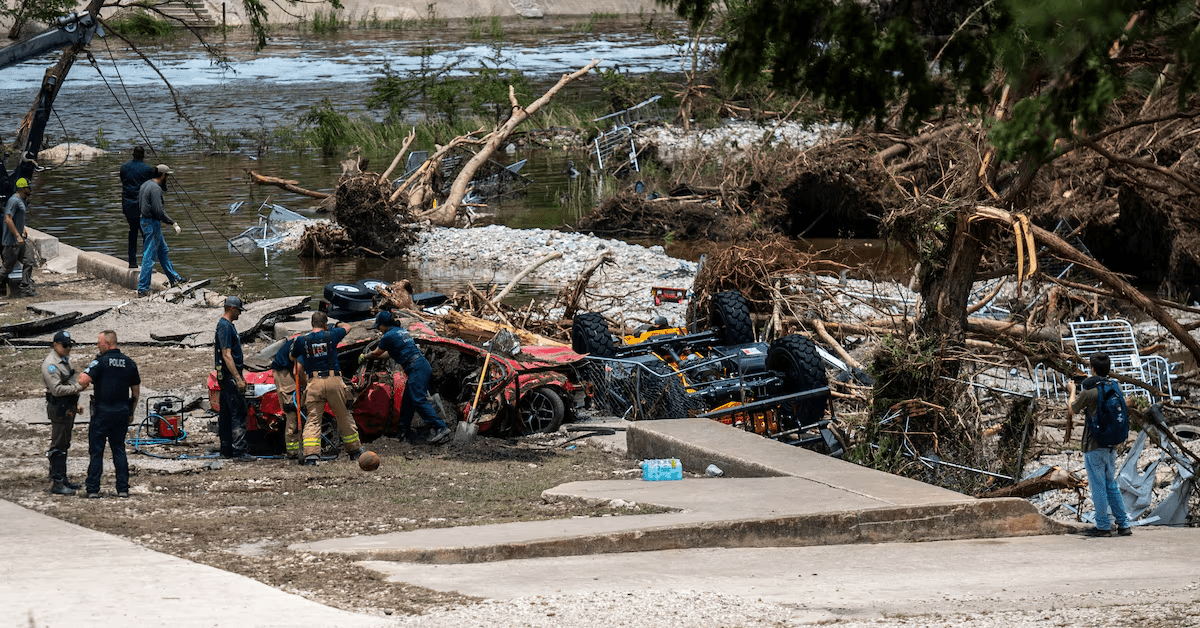
Concerns regarding NWS’s capacity for forecasting have been raised by the understaffing of important NWS offices. Key employees, such as a hydrologist and meteorologist-in-charge, were absent from the San Angelo and Austin/San Antonio offices, which were both understaffed. Despite these shortages, the NWS issued flood watches and warnings in advance, and more employees worked the July 4th shift. Local authorities, such as Kerr County Judge Rob Kelly, felt unprepared, though, and some questioned whether the warnings given to summer camps were sufficient.
This sad incident also brings to light forecasting difficulties, especially in light of the growing frequency and severity of extreme weather events brought on by climate change. Meteorologists defended the NWS, stating that even with the best data available, it is still challenging to predict the precise location of heavy rainfall. The remnants of Tropical Storm Barry added record amounts of moisture from the Gulf of Mexico, intensifying the flash floods.
The destruction is a clear reminder of the difficulties in predicting the weather and the increasing effects of climate change.


