

Artificial intelligence is often associated with high-powered GPUs and massive data centers, but a groundbreaking experiment by EXO Labs and researchers from Oxford University challenges this notion. In an astonishing demonstration, they successfully ran a modern language model—based on Meta’s Llama 2—on a 1997 Intel Pentium II processor with just 128 MB of RAM. The model operated at an impressive 39.31 tokens per second, using only 260,000 parameters.
This feat was made possible by BitNet, a novel neural network architecture that replaces traditional 32-bit floating-point weights with ternary weights (-1, 0, 1). This drastic simplification enables extreme model compression without significant performance loss. For context, a 7-billion-parameter model can be compressed down to just 1.38 GB, making it runnable on decades-old hardware.
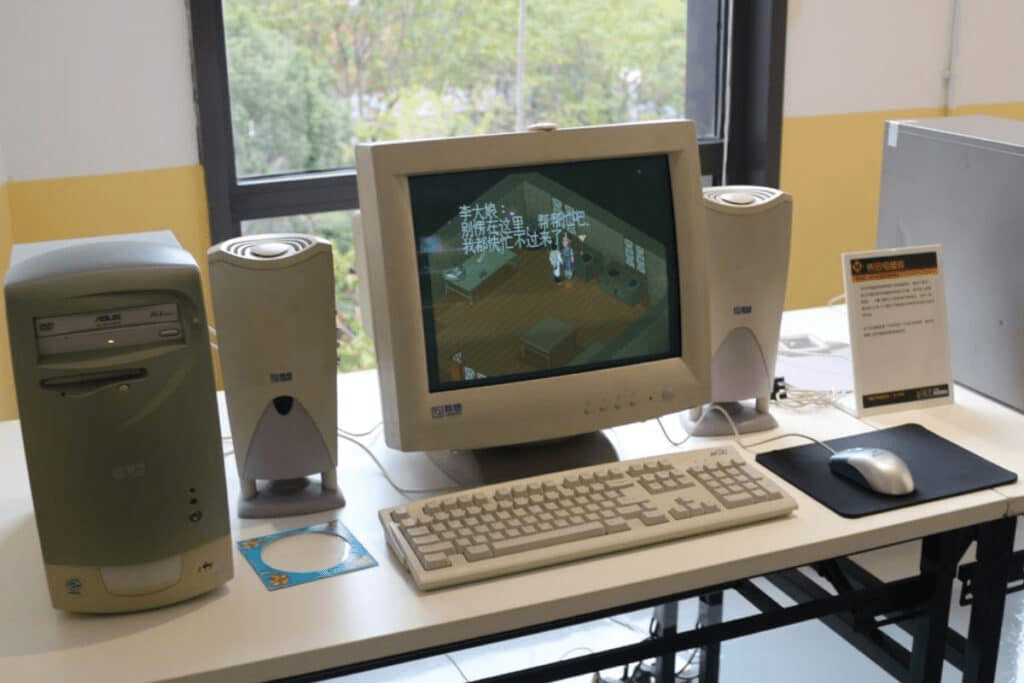
More than a technical triumph, this experiment is a paradigm shift in AI thinking. It proves that software innovation and algorithmic efficiency can offset hardware limitations. EXO Labs even suggests that with BitNet, models with up to 100 billion parameters could eventually run on a single CPU—approaching human reading speeds.
The implications are profound. Low-cost, energy-efficient AI could transform education, healthcare, and entrepreneurship, especially in developing regions. Institutions could access advanced AI without investing in expensive infrastructure. Environmentally, reusing outdated hardware for modern tasks helps reduce e-waste and carbon emissions.
Ultimately, this milestone redefines AI’s future—not as a privilege of the tech elite, but as a tool for global empowerment. It’s not just about faster chips, but smarter software. By enabling more with less, AI can become more sustainable, inclusive, and democratic.


