

The mountainous megacity of Chongqing in southwest China is quickly becoming one of Asia’s most important logistics hubs, with some observers calling it the “new Suez Canal” of overland trade. Once known primarily as a manufacturing powerhouse, the city is now at the heart of a growing rail network that links Southeast Asia with Europe, slashing delivery times and reducing reliance on maritime routes that Beijing sees as strategically vulnerable.
According to the South China Morning Post, Chongqing has emerged as a “strategic fulcrum” in China’s trade network. Its success, the report suggests, could inspire Beijing to replicate the model with similar investments across western China.
Every day, hundreds of shipments flow through the city, connecting markets from Vietnam and Singapore to Germany and Poland via high-speed freight trains. The advantages are clear: overland delivery can be 10 to 20 days faster than shipping by sea and often comes with simpler customs procedures.
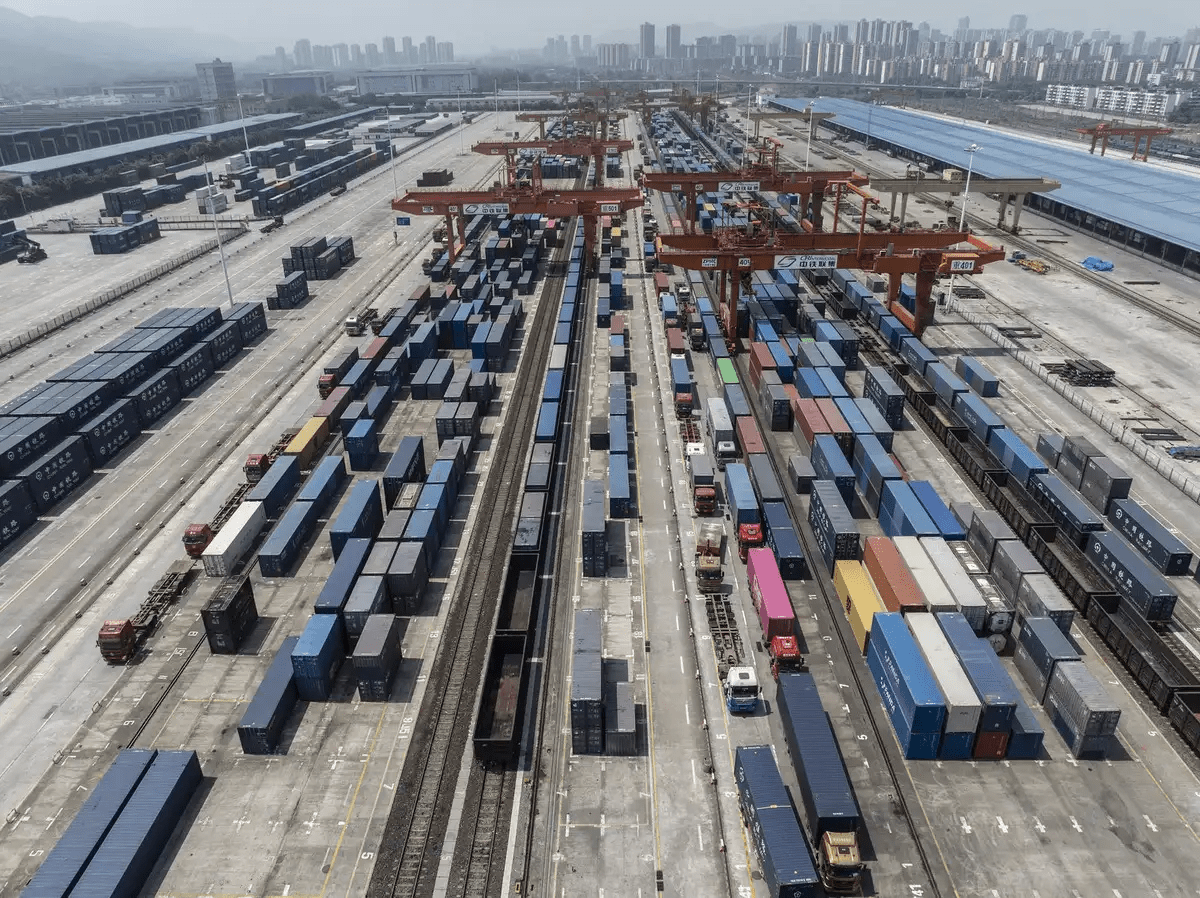
The launch of the ASEAN bullet train in 2023 further strengthened Chongqing’s role, cutting shipping times between Hanoi and Chongqing to just five days, after which goods can reach Europe in under two weeks.
Chongqing is not just a transit point but a major global production base. The city manufactures around one-third of the world’s laptops, serves as a key hub for electric vehicle production, and accounts for a quarter of China’s car exports. This industrial muscle reinforces its importance as a logistics center feeding international supply chains.
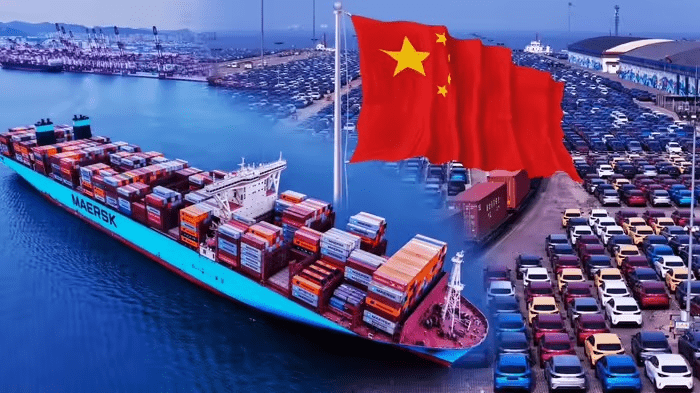
Analysts argue that China’s growing focus on Chongqing is not purely logistical. The trade war with the United States during Donald Trump’s presidency underscored the risks of relying on maritime choke points such as the Suez Canal, the Strait of Hormuz, and the Strait of Malacca. The disruptions caused by the COVID-19 pandemic further highlighted the vulnerability of ocean-based supply chains.
With the war in Ukraine raising risks for goods passing through Russia where some shipments were even seized in 2023, Beijing has been actively promoting an alternative “Middle Corridor.” This route would pass through Kazakhstan and the Caspian Sea, bypassing both Russia and Western-controlled sea lanes. Despite record bilateral trade with Moscow reaching €240 billion in 2024, China is seeking options that limit exposure to geopolitical disruptions.
Still, the overland push is far from smooth. Customs bottlenecks, high operating costs, and underdeveloped infrastructure remain persistent obstacles. Many of the routes built under the Belt and Road Initiative have depended heavily on government subsidies to attract exporters, raising questions about long-term financial sustainability.


