

Lockheed Martin’s F-35 stealth fighter continues to prove it’s more than just an elite combat aircraft. In a major technological milestone, the American defense contractor demonstrated that the F-35 can serve as a secure, real-time data-sharing hub across continents.
In this successful demonstration, Danish F-35s flying out of Texas transmitted secure information using a command-and-control system called DAGGR-2, a tool developed by Lockheed’s Advanced Development Programs—also known as Skunk Works. The system routed the classified data through commercial satellite networks and delivered it to the Danish military at Skrydstrup Air Base.
According to Lockheed Martin, this exercise marks yet another step forward in proving the aircraft’s effectiveness in what is known as Multi-Domain Operations. The company stated, “This is another success in a series of Multi-Domain Operations (MDO) demonstrations proving the F-35’s ability to serve as a powerful force multiplier, enabling allied forces to rapidly deploy ready-now capabilities to connect systems across the battlespace.”
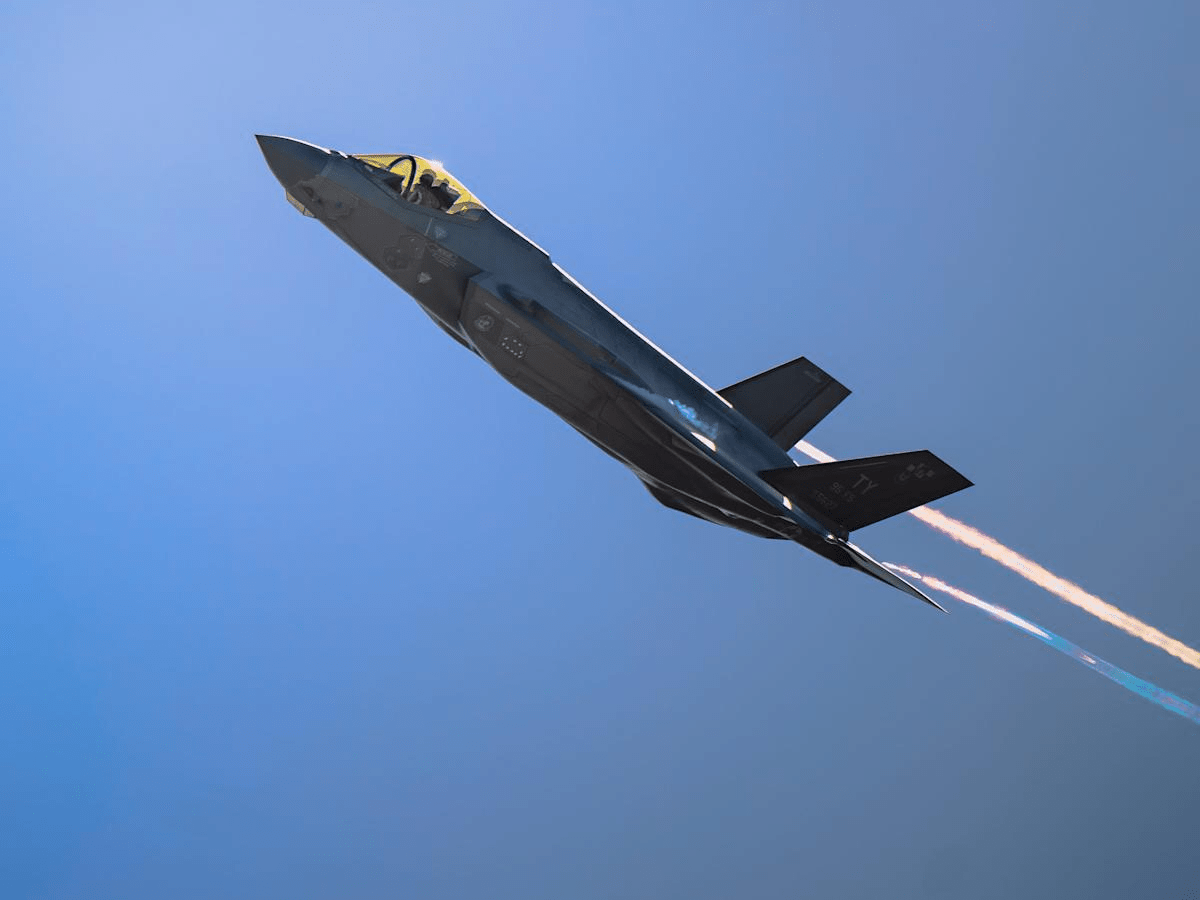
This achievement emphasizes the F-35’s capabilities beyond its firepower. The fighter is designed not just to engage threats but also to increase situational awareness across the field by acting as a command-and-control hub, synchronizing allied assets during operations. It brings an edge to coordination and decision-making, giving commanders a broader and clearer picture of the battlespace.
Danish Air Chief Major General Jan Dam called the event “a significant milestone toward enhancing Denmark’s capabilities,” and noted it enabled their MDO staff to witness first-hand how the F-35 can collect, analyze, and share complex data across distant networks in real time.
Denmark has been a part of the original multinational coalition that launched the F-35 program. The aircraft has since been adopted by more than a dozen countries, with over 1,200 units delivered globally, including to the United States and its NATO allies. Denmark operates the F-35A model, designed for conventional takeoffs and landings.
Lockheed’s recent demonstration echoes earlier operations. In April, the company revealed that Dutch F-35s also relayed sensitive information during NATO’s Ramstein Flag 2025 exercise. That data was sent to a command center in Leeuwarden, Netherlands, and then directed to a rocket artillery system, enabling a successful strike. This capability to feed real-time intelligence into strike decisions showcases the growing importance of the F-35 in modern mission planning and execution.
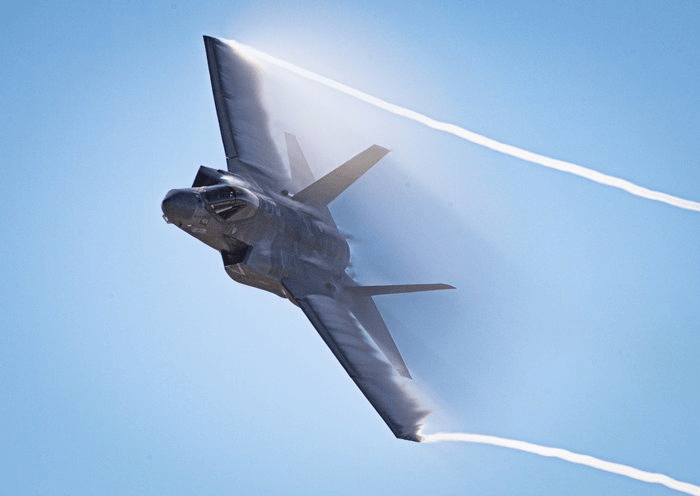
Skunk Works Vice President and General Manager OJ Sanchez emphasized the significance of these results, saying the collaboration with Denmark allowed the team to “rapidly deploy ready-now capabilities at a pace unparalleled in the industry and prove it through real-world flights.”
The F-35 remains a central pillar of U.S. airpower, with each of its three variants tailored for different missions. The A model is used for standard airfields, the B model can take off and land vertically, and the C model is configured for aircraft carrier operations. All three have seen combat, primarily in operations in the Middle East.


