

The next chapter in social robotics is just around the corner, and it’s coming in a smaller, friendlier package. Shanghai-based Fourier Robotics, known for its advanced humanoid models GR-1 and GR-2, is gearing up to introduce its most approachable creation yet: the GR-3.
Dubbed potentially the “most adorable humanoid robot yet,” Fourier’s upcoming GR-3 model is already turning heads despite limited official details. A sneak peek reveals a notably smaller and cuddlier design, departing from the imposing presence of its predecessors. At approximately 4 feet 5 inches (134 cm) tall, the GR-3 is significantly shorter than the GR-1 (5.4 feet) and GR-2 (5.74 feet) models.
Its “softer aesthetic”, featuring expressive eyes and a more welcoming form, appears intentionally tailored for use in homes, classrooms, hospitals, and other human-centric environments. On user forums, fans are already taking notice:
“This softer aesthetic is a nice change compared to the usual designs we see with humanoid robots. The eyes are a much-needed touch… Hopefully it is reasonably priced. Could definitely see myself owning one of these.”
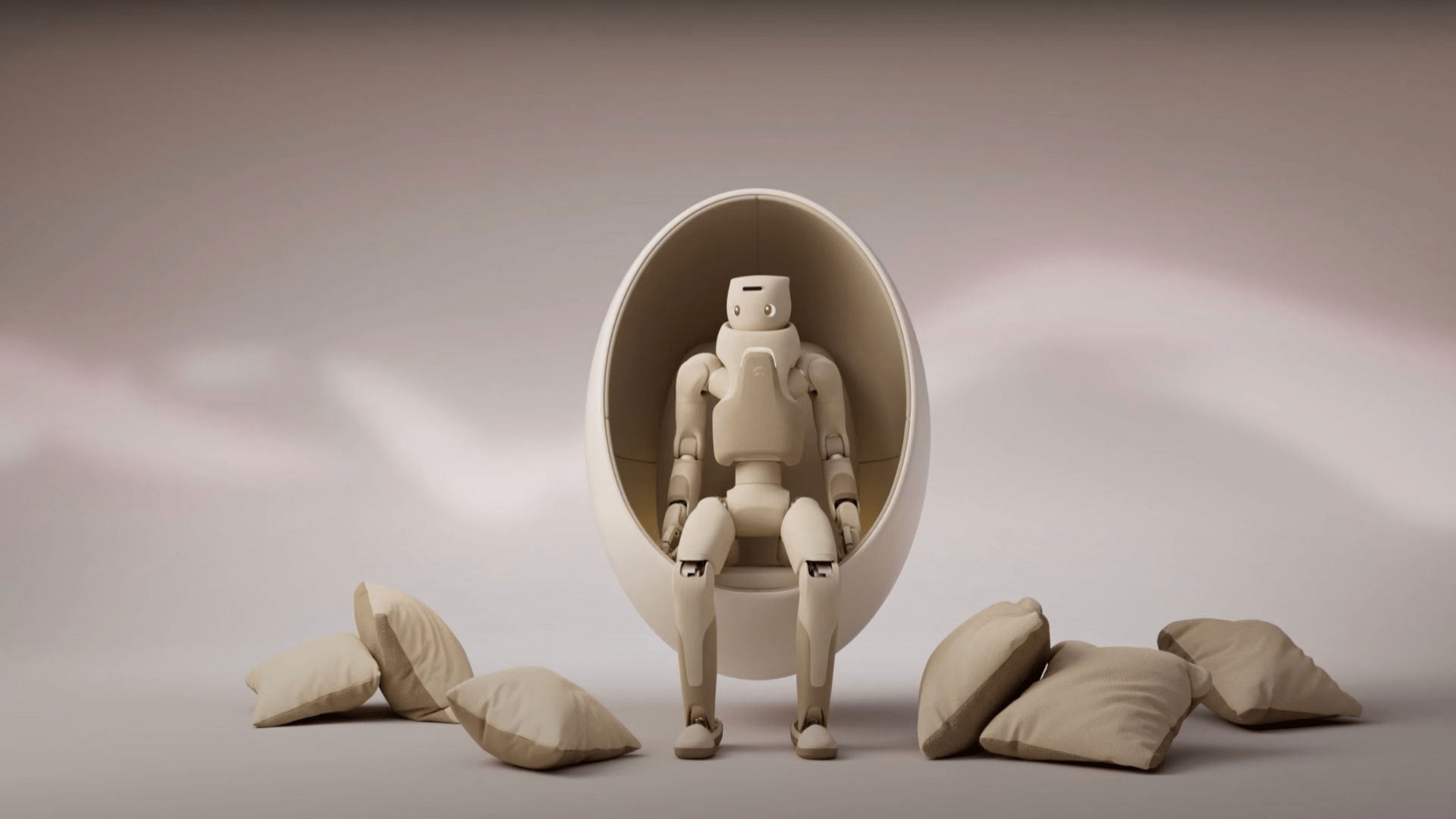
The GR-3 isn’t just cute, it’s smart. Reports suggest it will include an integrated large language model (LLM) to allow natural conversation, a major step in transforming robots from silent machines into engaging companions or caregivers.
This aligns with Fourier’s broader evolution in robotics. The GR-1, launched in 2023, marked the company’s debut in mass-produced humanoids. It featured 44 joints, 6 RGB cameras, modular smart actuators, and even a real-time 3D perception system making it a solid mobile platform with personality.
The GR-2, introduced in 2024, went further: a taller frame, 53 degrees of freedom, and tactile-sensor hands powered by next-gen actuators delivering up to 380 N/m of torque. It was a leap in robotic dexterity and capability.
In contrast, the GR-3 appears focused more on interaction and accessibility than physical strength. It’s expected to incorporate lightweight hardware optimized for safe indoor use, along with simplified actuators and sensors ideal for social functions and basic tasks. In this sense, it may bridge the gap between research-grade robotics and consumer-ready companion bots.
Software-wise, Fourier is likely to continue its developer-friendly approach. The GR-3 could offer pre-built APIs, support for vision systems, and deeper LLM-based behavior customization, giving users and developers tools to expand its capabilities beyond factory settings.
All signs suggest the GR-3 will be Fourier’s first true social humanoid robot, compact enough for the home but intelligent enough for meaningful interaction.


